










If you want to improve digestion naturally, you don’t need a complete lifestyle overhaul or a cabinet full of expensive supplements. The truth is, your digestive system thrives on small, consistent actions that you can weave into your everyday routine. Think of it like tending a garden: you don’t transform it overnight, but with daily care, it flourishes.
Your gut is a complex ecosystem responsible for breaking down food, absorbing nutrients, and eliminating waste. It’s home to trillions of bacteria that influence everything from your immune system to your mood.
When your digestion is out of balance, you might experience bloating, gas, constipation, or fatigue. But the good news is that lasting digestive wellness is built through simple, daily practices. Below are twelve powerful habits that can help you achieve that.
Improve Digestion Naturally with Simple Daily Habits
Learn how to improve digestion naturally with easy daily habits, balanced nutrition, and practical tips for a healthier gut and better wellness.
Start Your Day with a Glass of Water
Your digestive system has been resting all night, and it needs a gentle wake-up call. Drinking a glass of water first thing in the morning helps rehydrate your body and gets things moving in your gastrointestinal tract.
Proper hydration is essential for softening stool and preventing constipation. Water also helps break down food so your body can absorb nutrients more effectively. Think of it as priming the pump for the day ahead.
Pro tip: For an extra digestive boost, try warm water with a squeeze of lemon. It can stimulate digestive juices and give your metabolism a gentle nudge.
Eat Slowly and Chew Thoroughly
Digestion actually starts in your mouth, not your stomach. When you chew your food properly, you’re breaking it down into smaller pieces and mixing it with saliva, which contains digestive enzymes. This reduces the workload on your stomach and helps prevent indigestion.
Rushing through meals often leads to overeating and uncomfortable bloating. Your brain needs about twenty minutes to register that you’re full. If you eat too quickly, you might miss those satiety signals and consume more than your body actually needs.
How to put this into practice: Aim to chew each bite until your food reaches the consistency of baby food. Put your fork down between bites and really taste what you’re eating. This simple shift can dramatically improve your digestive comfort.
Practice Mindful Eating
Mindful eating isn’t solely about taking your time chewing food. It’s about establishing a serene atmosphere that allows your body to digest food adequately. Eating on the go, when stressed or distracted keeps your nervous system in “fight or flight” mode. Your body does not have to digest food when in this state, it is busy surviving.
You have to be in your body with your food to be in the “rest and digest” mode. It means turning off the cell phone, the television and sitting at a table. Eating after a few deep breaths can help your brain realize that it’s okay to concentrate on digestion.
The benefits: Eating mindfully ensures that you stay full longer, have less bloating and savor your food.
Get the Suggested Amount of Fiber
Fiber can be called the silent food. Fiber is the secret food for the digestive system. It increases stool bulk, softens stool and facilitates its movement through the intestines. There are two types of fiber and both are necessary:
- Soluble fiber dissolves in water and forms a gel-like substance that slows digestion and helps you feel full. You can find it in oats, barley, apples, citrus fruits, chia seeds, and beans.
- Insoluble fiber doesn’t dissolve in water and helps keep food moving through your digestive tract. It’s found in whole wheat flour, wheat bran, nuts, beans, and vegetables like cauliflower and green beans.
A word of caution: Don’t add too much fiber too quickly. A sudden increase can cause gas and bloating. Instead, increase your intake gradually and make sure you’re drinking plenty of water to help the fiber do its job.
Stay Hydrated Throughout the Day
We already mentioned morning water, but hydration is an all-day commitment. Water is fiber’s best friend. Without enough fluids, fiber can actually cause constipation instead of relieving it.
Aim to drink about 1.5 to 2 litres of fluid a day, which is roughly 8 to 10 glasses. Water is the best choice, but herbal teas and broths also count toward your total intake. Sipping water throughout the day helps keep your stool soft and supports the mucosal lining of your intestines.
A note on timing: Drinking water with meals is perfectly fine and can help you feel full. However, if you have acid reflux, you might want to avoid drinking large amounts during meals, as it can distend your stomach and potentially worsen symptoms.
Add Probiotic and Prebiotic Foods to Your Diet
Your gut is home to trillions of bacteria, and maintaining a healthy balance is key to good digestion. Probiotics are live beneficial bacteria that you can consume through fermented foods. Prebiotics, on the other hand, are dietary fibers that serve as fuel for these good bacteria, helping them grow and thrive.
Probiotic-rich foods to include:
- Yogurt with live and active cultures
- Kefir
- Kimchi
- Sauerkraut
- Miso
- Tempeh
Prebiotic-rich foods to include:
- Garlic
- Onions
- Bananas
- Asparagus
- Oats
Including both in your diet is the most effective way to support your gut microbiome.
Move Your Body Every Day
Exercise is not only beneficial to both your heart and muscles, but it is necessary for your digestion as well. Fitness induces the natural movement of food in your digestive tract via contractions.
You don’t need to run a marathon to see benefits. Even a 30-minute walk each day can improve digestion and promote regular bowel movements. A brisk 10 to 20-minute walk after a meal can be particularly effective at stimulating intestinal movement and regulating blood sugar.
Other beneficial activities: Yoga poses like Pawanmuktasana (wind-relieving pose) and Vajrasana (thunderbolt pose) are specifically known to aid digestion by improving circulation to your abdominal organs.
Eat Meals on a Regular Schedule
The digestive tract works best when it’s on a schedule. Irregular eating or not eating at regular intervals can throw off your internal clock and your gut’s rhythm.
Try to have three regular well-balanced meals at about the same time every day. If snack is required, make the same one every time. This consistency makes it easier for your body to predict when it will be time to eat, and to produce the necessary digestive juices at the right time.
Your bottom line: There’s a consistency to your digestive system, and your digestive system works better when you give it a consistent pattern.
Manage Stress for a Calmer Gut
The connection between your brain and your gut is incredibly powerful. Your brain and gut are connected by the enteric nervous system. When you’re stressed, your body goes into “fight or flight” mode, which can shut down digestion and lead to symptoms like bloating, cramps, and altered bowel habits.
Chronic stress can heighten visceral hypersensitivity and disrupt gut motility. That’s why managing stress is just as important as managing your diet when it comes to your digestive health.
Simple stress-reduction techniques:
- Deep breathing exercises
- Short meditation sessions
- Gentle stretching
- Taking small breaks throughout the day to reset
Even a few minutes of focused breathing before a meal can help shift your nervous system into a more relaxed state that supports digestion.
Get Enough Quality Sleep
Poor sleep doesn’t just leave you feeling tired; it can also disrupt your digestion and harm your gut microbiome. While you sleep, your body repairs itself, and that includes your digestive system. A lack of quality sleep can lead to digestive discomfort the next day.
Aim for seven to eight hours of quality sleep each night. Establishing a regular bedtime and winding down before sleep can make a significant difference to both your gut health and your overall well-being.
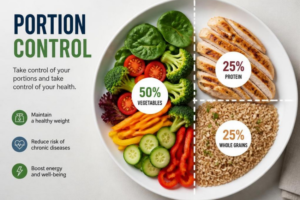
Practice Portion Control
Large meals can overwhelm your digestive system. When you eat too much at once, your stomach has to work harder to break down the food, which can lead to indigestion, bloating, and discomfort.
Instead of three massive meals, try eating smaller, balanced portions throughout the day. This approach gives your gut the time it needs to process food effectively without overloading it.
A helpful tip: Pay attention to your body’s hunger and fullness cues. Stop eating when you feel satisfied, not when you’re stuffed.
Limit Late-Night Eating
Eating large meals right before bed can be a recipe for acid reflux and indigestion. When you lie down, it’s easier for stomach acid to flow back into your esophagus, which can cause heartburn and disrupt your sleep.
Try to finish your last meal at least two to three hours before you go to sleep. This gives your stomach enough time to start the digestive process while you’re still upright, reducing the risk of nighttime discomfort.
Bringing It All Together
You don’t have to do everything at once to improve your digestion. It’s all about creating a long list of little habits that are beneficial to your gut that occur every day. Do not necessarily have to incorporate all twelve habits at once. Initially, try 1 or 2 that seem manageable, then gradually increase these.
Perhaps you start with a glass of water every morning, and a short stroll after supper. Once more of these habits is established, you can reinforce it with another one such as chewing food more thoroughly or eating a probiotic-rich food.
Keep in mind: Digestive health is an investment of your lifetime! These daily routines will help you to improve digestion naturally with consistent efforts and you will feel more comfortable and happier in your gut.
Disclaimer: This information is intended for educational purposes only and is not meant to be medical advice. Persistent or severe digestive symptoms, please seek medical advice.