











Benefits of GPS fleet tracking systems have transformed how businesses manage vehicles, drivers, fuel costs, and operational efficiency. Whether a company operates five delivery vans or hundreds of commercial trucks, GPS fleet tracking technology provides real time visibility that helps reduce costs, improve productivity, and strengthen customer service.
Fleet management used to depend heavily on phone calls, paperwork, and guesswork. Managers often struggled to know where drivers were located, how long deliveries took, or whether vehicles were being used efficiently. Today, GPS tracking systems eliminate much of that uncertainty by offering live location data, route monitoring, vehicle diagnostics, and driver behavior insights in one centralized platform.
Businesses across industries now rely on GPS fleet tracking systems to stay competitive. Logistics companies, construction firms, courier services, field service providers, transportation businesses, and even utility companies use these systems to streamline daily operations.
This guide explores the most important benefits of GPS fleet tracking systems, how they work, and why companies continue investing in this technology.
What Is a GPS Fleet Tracking System?
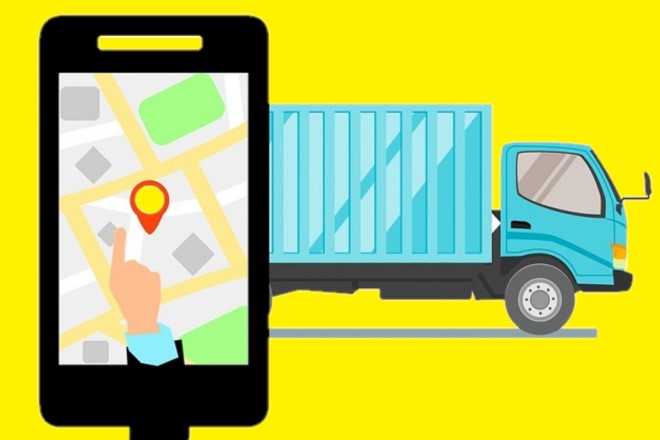
A GPS fleet tracking system uses Global Positioning System technology to monitor the location and activity of vehicles in real time. The system combines GPS hardware installed in vehicles with cloud-based software that managers can access through desktops or mobile apps.
The tracking device collects information such as:
- Vehicle location
- Speed
- Route history
- Idle time
- Fuel usage
- Engine diagnostics
- Driver behavior
- Maintenance alerts
Fleet managers can then use this data to make smarter operational decisions.
How GPS Fleet Tracking Systems Work
Understanding the basic functionality helps explain why these systems provide such valuable business advantages. A typical GPS fleet tracking setup includes:
- GPS Tracking Hardware: A tracking device is installed inside each vehicle. It communicates with satellites to determine the vehicle’s exact location.
- Cellular or Satellite Communication: The device sends collected data to cloud servers using mobile networks or satellite connections.
- Fleet Management Software: Managers access dashboards that display vehicle movement, reports, analytics, and alerts in real time.
- Data Analytics: The software processes large amounts of operational data to identify inefficiencies and trends.
The combination of live monitoring and historical reporting gives businesses unprecedented visibility in fleet operations.
Major Benefits of GPS Fleet Tracking Systems
Improved Fleet Visibility
One of the biggest advantages of GPS fleet tracking systems is complete operational visibility.
Fleet managers can instantly:
- See where vehicles are located
- Monitor active routes
- Track delivery progress
- Identify delays
- Respond to emergencies faster
Without GPS tracking, managers often rely on driver updates or manual reporting. That approach creates communication gaps and delays. Real time visibility removes uncertainty and improves coordination.
For businesses managing multiple vehicles across large geographic regions, this visibility becomes essential.
Reduced Fuel Costs
Fuel expenses represent one of the largest operational costs for fleet based businesses. GPS fleet tracking systems help lower these costs in several ways.
- Route Optimization: GPS software identifies the most efficient routes based on traffic conditions, distance, road closures and delivery priorities. Shorter and smarter routes reduce fuel consumption significantly.
- Reduced Idling: Excessive idling wastes fuel and increases engine wear. Fleet managers can monitor idle time and coach drivers to minimize unnecessary engine operation.
- Better Driving Habits: Aggressive driving behaviors increase fuel usage. Tracking systems monitor harsh acceleration, speeding and sudden braking. Safer driving habits often lead to measurable fuel savings.
Many businesses report noticeable reductions in fuel expenses within months of implementation.
Enhanced Driver Safety
Driver safety remains a top priority for every fleet operator. GPS tracking systems help businesses create safer driving environments.
- Monitoring Risky Driving Behavior: The software can detect unsafe actions such as rapid acceleration, hard braking, sharp cornering and speeding. Managers receive alerts and can provide coaching before dangerous habits lead to commercial vehicle accidents.
- Faster Emergency Response: If an accident occurs, managers can quickly identify the vehicle’s location and send assistance immediately.
- Reduced Fatigue Risks: Some systems track driving hours and route durations, helping businesses comply with driver safety regulations and avoid fatigue-related incidents.
Safer drivers reduce liability risks and protect company assets.
Increased Productivity
Productivity improvements are among the most valuable benefits of GPS fleet tracking systems. Managers gain accurate insights into how drivers spend their workday.
- Elimination of Unauthorized Stops: GPS tracking discourages unnecessary detours and personal vehicle usage during work hours.
- Better Dispatching: Dispatch teams can assign jobs to the nearest available vehicle, reducing travel time and improving response speed.
- Faster Job Completion: Drivers receive optimized directions and updated routes, helping them complete more tasks efficiently.
This increased productivity often allows businesses to serve more customers without expanding fleet size.
Better Customer Service
Customer expectations continue to rise, especially in delivery and service industries. GPS fleet tracking systems help companies provide faster and more transparent customer experiences.
- Accurate Delivery Estimates: Businesses can provide real-time ETAs based on live vehicle location data.
- Faster Response Times: Dispatchers can quickly locate the nearest driver to handle urgent service requests.
- Improved Communication: Managers can proactively notify customers about delays or schedule changes.
Reliable delivery performance builds trust and strengthens customer satisfaction.
Lower Maintenance Costs
Vehicle breakdowns create expensive delays and disrupt operations. GPS fleet tracking systems support preventive maintenance strategies that reduce costly repairs.
- Maintenance Scheduling: Fleet software tracks mileage, engine hours, and service intervals. Managers receive automated reminders for oil changes, tire rotations, brake inspections and engine servicing.
- Early Problem Detection: Advanced systems monitor engine diagnostics and vehicle health data. Early detection helps prevent major mechanical failures, unexpected downtime and expensive emergency repairs.
Well maintained vehicles last longer and operate more efficiently.
Reduced Insurance Costs
Many insurance providers offer lower premiums to businesses using GPS fleet tracking technology.
Why?
Because tracked fleets typically experience:
- Fewer accidents
- Reduced theft risk
- Safer driving behavior
- Better compliance monitoring
Some insurers even provide usage-based insurance models that reward safe fleet operations.
The long-term insurance savings can be substantial for larger fleets.
Theft Prevention and Vehicle Recovery
Vehicle theft can severely impact business operations. GPS tracking improves fleet security dramatically.
- Real Time Vehicle Tracking: Managers can immediately locate missing or stolen vehicles.
- Geofencing Alerts: Businesses can create virtual boundaries and receive notifications if vehicles leave designated areas.
- Faster Recovery Rates: Law enforcement agencies often recover GPS tracked vehicles much faster than untracked assets.
This added security protects both vehicles and valuable cargo.
Improved Compliance Management
Many industries must comply with transportation regulations and reporting requirements. GPS fleet tracking systems simplify compliance by automating recordkeeping.
- Electronic Logging: Systems can automatically track driving hours, rest periods and route history.
- Digital Documentation: Managers can store records electronically for audits and regulatory inspections.
- Reduced Administrative Burden: Automation reduces paperwork and minimizes manual data entry errors.
Compliance management becomes more accurate and less time consuming.
Data Driven Decision Making
Modern businesses rely heavily on analytics. GPS fleet tracking systems provide valuable operational intelligence.
Managers can analyze:
- Fuel trends
- Driver performance
- Vehicle utilization
- Route efficiency
- Maintenance costs
This data helps leadership make informed strategic decisions instead of relying on assumptions.
Over time, companies can continuously optimize operations using real world performance insights.
Better Asset Utilization
Many businesses unknowingly underuse portions of their fleet.
GPS tracking systems reveal:
- Which vehicles operate most efficiently
- Which vehicles sit idle too often
- Peak usage periods
- Fleet capacity gaps
This visibility helps businesses:
- Reduce unnecessary vehicle purchases
- Optimize scheduling
- Balance workloads more effectively
Better asset utilization directly improves return on investment.
Environmental Benefits
Sustainability has become increasingly important for businesses and customers alike.
GPS fleet tracking contributes to environmentally responsible operations.
- Lower Fuel Consumption: Efficient routing reduces fuel usage and carbon emissions.
- Reduced Idle Time: Less idling means lower pollution output.
- Optimized Fleet Operations: Smarter dispatching reduces unnecessary vehicle mileage.
Companies can strengthen sustainability initiatives while lowering operating expenses.
Real Time Alerts and Notifications
Modern GPS fleet systems offer customizable alerts that improve operational control.
Businesses can receive notifications for:
- Speeding incidents
- Unauthorized vehicle usage
- Maintenance deadlines
- Geofence violations
- Excessive idling
- Route deviations
These alerts allow managers to respond immediately instead of discovering problems later.
Scalability for Growing Businesses
GPS fleet tracking systems scale easily as companies expand.
Whether a business operates:
- 5 vehicles
- 50 vehicles
- 500 vehicles
The software can usually accommodate fleet growth without major infrastructure changes.
This scalability makes GPS tracking suitable for both small businesses and large enterprises.
Industries That Benefit Most from GPS Fleet Tracking Systems
Many sectors gain significant operational advantages from GPS tracking technology.
- Logistics and Transportation: Delivery companies depend on real time route optimization and shipment tracking.
- Construction: Construction firms monitor heavy equipment, work vehicles, and project transportation logistics.
- Field Service Businesses: HVAC, plumbing, electrical, and repair companies improve technician dispatching and response times.
- Food Delivery Services: Restaurants and delivery businesses use tracking to improve customer satisfaction and delivery accuracy.
- Utilities and Municipal Services: Utility providers track service crews and optimize emergency response operations.
Common Features in GPS Fleet Tracking Systems
Different providers offer various capabilities, but most systems include essential features.
- Live GPS Tracking: Displays vehicle locations in real time.
- Route History: Stores past travel routes for analysis and reporting.
- Driver Behavior Monitoring: Tracks unsafe driving habits and performance metrics.
- Maintenance Management: Provides automated maintenance reminders and diagnostics.
- Mobile App Access: Allows managers to monitor fleets remotely.
- Fuel Monitoring: Tracks fuel efficiency and consumption patterns.
- Geofencing: Creates virtual zones with automatic alerts.
These features work together to improve overall fleet efficiency.
How Small Businesses Benefit from GPS Fleet Tracking
Many small business owners assume GPS fleet tracking only benefits large corporations. That assumption is outdated. Even small fleets gain major advantages.
- Improved Scheduling: Small teams operate more efficiently when dispatchers can view live locations.
- Lower Operational Costs: Reducing fuel waste and maintenance expenses improves profitability.
- Stronger Customer Relationships: Accurate arrival times increase customer confidence.
- Better Employee Accountability: Tracking systems create transparency without constant supervision.
Affordable cloud-based tracking platforms now make GPS technology accessible to businesses of all sizes.
Challenges Businesses Should Consider
Although GPS fleet tracking systems provide major advantages, businesses should still evaluate potential challenges.
- Initial Costs: Hardware installation and software subscriptions require upfront investment.
- Driver Privacy Concerns: Some employees may initially resist monitoring systems.
- Clear communication about safety and operational goals helps address these concerns.
- Training Requirements: Managers and drivers may need training to fully utilize system features.
Despite these considerations, most companies find that long-term savings outweigh implementation costs.
Tips for Choosing the Right GPS Fleet Tracking System
Selecting the right platform requires careful evaluation.
- Consider Your Business Size: Choose a system designed for your fleet scale and operational complexity.
- Evaluate Reporting Features: Detailed analytics provide greater long-term value.
- Check Mobile Accessibility: Mobile access improves operational flexibility.
- Prioritize Customer Support: Reliable technical support becomes important during implementation and troubleshooting.
- Compare Integration Options: Some systems integrate with accounting software, dispatch platforms, and fuel card programs.
A well-chosen solution can significantly improve operational efficiency for years.
Future Trends in GPS Fleet Tracking Technology
Fleet technology continues evolving rapidly.
Emerging trends include:
- AI powered route optimization
- Predictive maintenance analytics
- Electric vehicle fleet monitoring
- Video telematics integration
- Autonomous vehicle support
- Advanced driver safety systems
Businesses adopting modern fleet technologies early may gain strong competitive advantages in the coming years.
Final Thoughts
The benefits of GPS fleet tracking systems extend far beyond simple location monitoring. These platforms help businesses reduce fuel expenses, improve driver safety, increase productivity, strengthen customer service, and make smarter operational decisions.
As transportation costs continue rising and customer expectations grow, fleet visibility becomes increasingly important. Businesses that embrace GPS fleet tracking technology gain better control over daily operations while positioning themselves for long term growth.
Whether managing local delivery vans or nationwide transportation fleets, companies can use GPS tracking systems to operate more efficiently, reduce waste, and build a more reliable service model.
In today’s competitive business environment, GPS fleet tracking is no longer just an optional tool. For many organizations, it has become a critical component of modern fleet management success.
FAQs About GPS Fleet Tracking Systems
What is the main purpose of a GPS fleet tracking system?
The primary purpose is to monitor vehicle locations, improve operational efficiency, reduce costs, and enhance driver safety.
Can GPS fleet tracking reduce fuel expenses?
Yes. GPS tracking reduces fuel costs through optimized routing, reduced idling, and better driving behavior monitoring.
Is GPS fleet tracking suitable for small businesses?
Absolutely. Small businesses benefit from better scheduling, lower operating costs, and improved customer service.
Do GPS fleet tracking systems improve driver accountability?
Yes. Drivers are more likely to follow safe and efficient practices when vehicle activity is monitored.
Can GPS tracking help recover stolen vehicles?
Yes. Real time location tracking significantly improves vehicle recovery rates after theft.