









The initial phase in farming in India, which truly gets the crop ready for a successful harvest, is selecting the appropriate farm tools and equipment for land preparation. Even the best seed and fertilizer will not produce a good yield without proper tillage, weeding and leveling. Agricultural condition in India is highly varied from hilly region of Deccan plateau to fertile alluvial lands of Punjab and Uttar Pradesh. It simply can be the difference between good and bad season, depending on the tools you choose.
A thing I have learned in talking to the smallholder and the big farmer in various States is one thing. The distance between traditional knowledge and modern machinery is becoming less and less. However, you should still have an understanding of what will work for your plot, soil and budget. Let me explain what you need to know.
Why Land Preparation Matters More Than You Think
Land preparation does not only involve breaking soil clods. It provides a space for the roots to breathe, for the water to drain and for the nutrients to flow. With the unpredictable and non-uniform nature of the monsoons and the availability of irrigation in India, timely preparation helps in maintenance of moisture and limiting the runoff. Weed and pest control, and tilling with old crop residues removed, are also done prior to planting. If you do not do this, you’ll be dealing with issues throughout the entire season.
When farmers take the time to select their tools, they are likely to have a 20-30% increase in germination. What a huge difference when living on bare bones.
Traditional Farm Tools Still in Use Across India
So today, millions of Indian farmers use basic and inexpensive hand tools, even with the advent of the tractor. They are ideal on small acreages under two acres and on terraced sections of hillsides that are inaccessible to machinery.
Wooden Plough (Desi Hal)
This is the icon of Indian agriculture. Drawn by bullocks or buffaloes, the wooden plough cuts a shallow furrow and turns the topsoil. It works beautifully in light to medium soils. You can adjust the depth by changing the angle of the ploughshare. Many farmers prefer it because fuel costs are zero and the animals also provide manure.
Iron Share Plough
A slight upgrade from the wooden version, this tool has a metal tip that lasts longer and cuts harder soils. You still use animal power. It costs very little to maintain, and local blacksmiths can repair it easily.
Hoe (Khurpi or Gaiti)
For small scale weeding and breaking surface crust after rain, a hand hoe is invaluable. You can cover a quarter acre in a day with steady work. It is also perfect for vegetable beds and garden plots near the house.
Spade (Belcha)
When you need to dig deep, turn compacted layers, or prepare raised beds, nothing beats a sturdy spade. Look for one with a hardwood handle and tempered steel blade. It will last for years.
Wooden Plank Leveler (Patela or Sohaga)
After ploughing, the soil surface often has bumps and hollows. Farmers drag a heavy wooden plank over the field. Some add a rider on top for extra weight. This simple tool smooths the field and helps distribute water evenly during irrigation.
Modern Equipment That Is Transforming Land Preparation
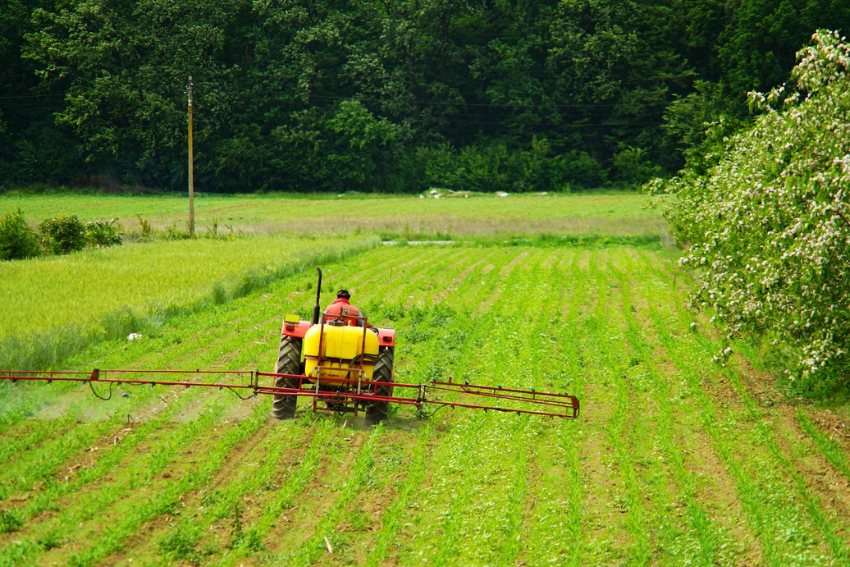
Over the last two decades, tractor driven implements have become common even in villages. The rise of custom hiring centers means you do not need to own a tractor. You just pay a daily fee to use the equipment. This shift has opened-up modern farming to smallholders.
Disc Harrow
A Disc Harrow breaks up plant residues, such as wheat stubbles or sunflower stalks, and makes them into small pieces. It attaches to the tractor’s three-point lift. The concave discs crumble clods and incorporate organic matter into the top layer. This is your life savers for clay soil when it dries out and hardens during summer.
Rotavator (Rotary Tiller)
The rotavator will replace the plough and harrow and will do in a single pass what the plough and harrow can do in three passes. It is very fast, and its blades simultaneously break up the soil and cut any weeds. It is very popular among the farmers in Punjab and Haryana due to its time saving and fuel saving nature. But overuse of a rotavator can result in a hard pan just below the tilled layer. Therefore, plow with a disc 2 to 3 times a growing season.
Mouldboard Plough
A mouldboard plough is needed if you have never operated your land for years. It lifts and inverts a furrow slice, burying weeds, pests, and surface residues deep underground. Apply it prior to establishing a new crop season or when a change is made from grains to a root crop. The problem is that it will need at least a 45 hp tractor.
Cultivator (Tractor Mounted)
Unlike a plough that turns soil, a cultivator simply stirs the top 4 to 6 inches. It works great for shallow tillage in already soft ground. You can fit it with spring loaded tines that deflect around rocks, saving your equipment from breakage. Many farmers run a cultivator just before sowing to create a fluffy seedbed.
Laser Land Leveller
This is high tech but worth every rupee. A laser transmitter and receiver guide the levelling blade to create a perfectly flat field. Water savings can reach 25 to 35 percent because no low spots hold puddles and no high spots dry out faster. The Indian government offers subsidies on laser levellers in many states. Hire one from a custom service center for large fields.
Matching Tools to Your Land and Crop
Do not buy equipment just because your neighbor owns it. Match the tool to your situation.
- Small plot (under 2 acres) with loamy soil: A wooden plough plus a hand hoe and spade will cover most needs. Add a patela for leveling.
- Medium plot (2 to 5 acres) with black cotton soil: You need an iron share plough or a disc harrow. Black soil cracks deeply in summer, so break clods when moisture is just right, neither too wet nor too dry.
- Large plot (over 5 acres) with sandy loam: A rotavator or cultivator saves massive time. Use a laser leveller once every three years to fix unevenness.
- Hilly or terraced land: Stick with animal drawn ploughs and hand tools. Tractors cannot navigate steep slopes safely.
Cost Considerations and Smart Buying Tips
You do not need to break your bank account. Here are practical ways to get the right equipment without overspending.
Check if your village has a custom hiring center. Many state governments and NGOs run these programs. You pay a small hourly or daily fee. A rotavator that costs ₹70,000 to buy might cost you just ₹500 per hour to hire.
For hand tools, buy quality steel from a reputable local shop. Cheap spades bend or snap within a season. A good hoe pays for itself in reduced labor.
Consider cooperative ownership. Four or five neighboring farmers can pool money to buy a tractor and a set of implements. You create a schedule for usage. This works especially well for expensive gear like a laser leveller.
Look for government subsidies. The Sub Mission on Agricultural Mechanization (SMAM) offers financial support for small and marginal farmers. You can get up to 40 percent back on certain equipment. Contact your local agriculture extension office.
Sustainable Land Preparation Practices
Intensive tillage year after year destroys soil structure. You see it as hard pans, reduced earthworm activity, and lower organic carbon. Try these sustainable approaches.
- Zero tillage: Some crops like wheat and mustard can go directly into unploughed soil with a special zero till drill. This leaves previous crop residues on the surface, which protect moisture and feed soil microbes. You also burn less diesel. Zero tillage is growing rapidly in the Indo Gangetic plains.
- Reduced tillage: Instead of three passes with a harrow, do just one pass with a cultivator. Then use a seed cum fertilizer drill. You save time, fuel, and water.
- Mulching after light tilling: After a single disc harrow pass, spread crop residues or dry leaves on top. This suppresses weeds and keeps the soil cool. Over time, the mulch decomposes and adds organic matter.
Final Thoughts
The choice of the proper farm tools and equipment for land preparation need not be complicated. First of all, walk your field after cutting your last crop. Feel the soil. Record the weed and hard areas. Next determine if deep inversion, shallow stirring or smoothing is required. The blend of one traditional animal drawn implement and one modern tractor attachment provide an optimum combination of cost and performance for most Indian farmers.
Do not chase every new machine. Master your basics first. A clean, level, well aerated seedbed is half your battle won. The other half depends on rain, sunlight, and your hard work.
Frequently Asked Questions
What is the cheapest farm tool for land preparation in India?
The khurpi or hand hoe is the cheapest. One can be purchased for under ₹200 and can be relied on for years at the small vegetable plot.
Can I prepare land without a tractor or bullocks?
Yes, it is possible to work with hand tools on plots up to one half acre. More time and effort are required, and it is suitable for homestead gardens or greenhouses.
How do I know if my soil needs deep ploughing?
Make a shallow hole about 1-foot deep. When a hard, compacted layer is encountered which roots cannot penetrate, a single pass of a mouldboard plough or subsoiler will suffice. If not, follow shallow tillage practices.
Is a rotavator bad for soil health?
Only if you use it every single season. Rotavators chop residues too finely, which can lead to soil crusting. Alternate with a disc harrow or cultivator to maintain soil structure.
Where can I hire modern land preparation equipment?
Search for custom hiring centers at your local block office, farmer producer organizations, or private agri service providers. Many now offer online booking through mobile apps.