









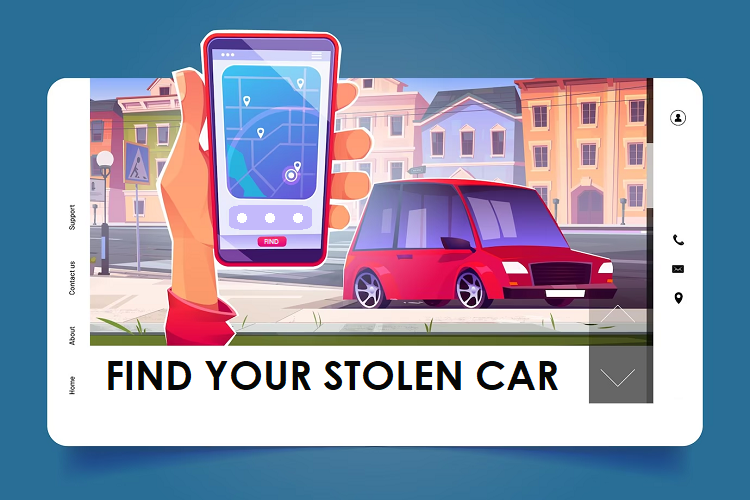
If you need to find stolen car quickly, every second counts. I have been there myself, standing in an empty parking spot with that sickening drop in your stomach. The good news? You have real options. Most people waste precious time panicking or waiting for police to do everything. Do not fall into that trap. Take control right now.
This guide gives you twelve aggressive, actionable steps to locate your stolen car. Some methods involve high tech gear. Others rely on old school hustle. Use them all. Speed is your best friend here.
What should you do the exact moment you realize your car is stolen?
Stop. Breathe. Then move fast. Here is the order of operations that actually works.
First, confirm the car is truly stolen. Did a friend borrow it? Did the tow truck take it for parking violations? Call your spouse or roommate. Check your parking garage’s payment kiosk for citations. Once you rule out honest mistakes, your clock starts ticking.
Second, grab your keys, phone, and any paperwork with your VIN (Vehicle Identification Number). You need that VIN for every single step below. Keep it on a note in your phone so you never scramble.
Now, let us get to work.
12 Ways to Find Stolen Car Fast
The moment you realize your car is missing, you need a clear plan to find stolen car fast without wasting precious minutes. These 12 aggressive ways show you exactly how to alert police, scan online marketplaces, and mobilize your community for quickly locate your stolen car.
Call the police before doing anything else
Do not wait. Do not search the neighborhood for twenty minutes first. Dial 911 or your local non-emergency line immediately. The dispatcher needs your license plate number, make, model, color, and VIN. Give them your exact location and when you last saw the car.
Why so fast? Police enter your car into the National Crime Information Center (NCIC) database. That database connects to every patrol car’s license plate reader across the country. The sooner you get that entry, the sooner a camera or cop car flags your vehicle.
Keep your case number handy. You will reference it constantly.
Activate any factory GPS or connected services
Most modern cars ship with some form of tracking. Check your owner’s manual or mobile app. Here are the big ones:
- OnStar (GM vehicles): Call them directly at 1.888.466.7827. They can locate your car and tell police exactly where to go.
- FordPass or Lincoln Way: Use the app to see your vehicle’s location. Some models let you slow the car remotely.
- BMW ConnectedDrive, Mercedes me, Tesla app: These all offer real time location sharing. Tesla owners can even use Sentry Mode footage from nearby cameras.
- Subaru Starlink, HondaLink, Toyota Remote Connect: Check your subscription status. Many come with free trial periods.
Do not assume you need an active subscription. Some systems still report basic location data. Call the manufacturer’s stolen vehicle hotline anyway.
Scan for hidden third party trackers you already own
You might have a tracking device inside your car without even realizing it. Think about what lives in your glove box or under your seat.
- AirTag or Tile: Open the Find My app on your iPhone. If you stashed an AirTag in your trunk or under a floor mat, its location updates whenever any Apple device passes nearby. Tap “Notify When Found” so you get an alert the second it pings.
- GPS tracker for teen drivers: Did you install a Bouncie, MooveTrax, or Vyncs? Log into those accounts now.
- Old phone in the glove box: If you left a spare Android or iPhone plugged into a charger, use Find My Device (Google) or Find My iPhone to see its last known spot.
One of my friends recovered his truck this way. Thieves ripped out the factory unit but missed the $29 AirTag tucked behind the rear seat panel.
Flood online marketplaces within the first hour
Car thieves often list parts or the whole vehicle within hours of stealing it. They want quick cash. You want to catch them mid transaction.
Set up alerts on these sites immediately:
- Facebook Marketplace – Search your car’s year, make, and model within a 100 mile radius. Look for “parting out” listings that match your trim level.
- Craigslist – Check the auto parts section, not just the vehicles for sale. Use the “nearby” search to expand to neighboring cities.
- OfferUp and Letgo – These apps attract quick sellers. Filter by newest listings first.
- eBay Motors – Thieves sometimes list rare parts here. Search for VIN specific components like the infotainment screen or wheels.
Do not message the seller yourself. Screenshot the listing, grab the seller’s phone number if visible, and give everything to your police detective. Let them handle the sting.
Alert ride share and delivery drivers in your area
This trick works shockingly well. Uber, Lyft, DoorDash, and Amazon Flex drivers cover every street in your city within a single night. They also look at their phones constantly.
Post on local driver Facebook groups. Write something like: “URGENT: Stolen silver 2020 Honda Civic, plate XYZ123, last seen near Main St. $500 cash reward to any driver who spots it.” Drivers love cash rewards. Many will passively scan for your car during their next shift.
You can also contact Uber’s safety team directly. They will not share driver locations, but they can broadcast your stolen vehicle alert to active drivers in the region.
Call every tow yard and impound lot within 50 miles
Here is a brutal truth. Police sometimes miscommunicate. Your car might not actually be “stolen.” Maybe a private tow company grabbed it for expired tags or blocking a driveway. Or maybe an officer had it towed after a crash and forgot to update the system.
Call these places yourself:
- Local police department’s impound unit
- City contracted tow yards
- Private towing companies (look up “towing” on Google Maps and start dialing)
- Highway patrol’s abandoned vehicle hotline
Ask each one: “Do you have a [year, make, model, color] with VIN ending in [last six digits]?” Do not rely on the dispatcher to do this for you. I have seen cars sit in impound for weeks while owners filed insurance claims.
Exploit social media and neighborhood apps
Your neighbors are nosy. Use that to your advantage. Post on:
- Nextdoor – Include a clear photo of your car and the police case number. Ask people to check their security cameras between specific hours. The platform’s “urgent alert” feature pushes your post to everyone within two miles.
- Ring Neighbors – This app pulls footage from thousands of doorbell cameras. Describe your car and the time of theft. Users can clip and share video directly with you.
- Local Facebook groups – Join every community group for your town and adjacent towns. Screenshot your Nextdoor post and paste it there.
Make your post easy to scan. Use bullet points with the key details: license plate, color, unique damage (scratches, bumper stickers, aftermarket rims). Offer a small reward. Even $100 motivates people to actually look.
Check parking ticket and red-light camera databases
This method requires a bit of hustle, but it works. Parking enforcement vehicles carry license plate readers. If your stolen car gets a ticket or trips a red-light camera, that information goes into a city database.
Call the parking violations bureau for your city and every surrounding city. Ask if any tickets have been issued to your license plate since the theft time. One reader found his car three days later because it got a $45 ticket for street cleaning.
Red light camera data is trickier to access, but your police detective can request it. Follow up with them every single day. Do not assume they will call you first.
Use license plate reader (LPR) networks if available
Some cities have public facing LPR alerts. Services like Flock Safety partner with police departments to send real time notifications when a stolen plate gets scanned. Ask your police department if they use Flock or a similar system.
For civilian use, try apps like PlateScanner or Bolt GPS. These rely on user submitted sightings. The coverage is spotty but free. You might get lucky if someone scans your plate at a gas station or mall parking lot.
Contact scrap yards, salvage yards, and chop shops
Thieves who do not flip the whole car will strip it for parts within 48 hours. Call every scrap yard and auto recycler within a 100 mile radius. Ask to speak with the manager directly.
Say this: “I have a stolen [year, make, model]. VIN is [full VIN]. I am offering a $500 cash reward for anyone who calls police with a location. No questions asked about how you got the tip.”
Do not threaten or accuse anyone. Just offer cash. Many yard operators dislike thieves because stolen parts bring police attention. They will call you for that reward.
Hire a stolen car recovery service
If your car has serious sentimental or financial value, spend money to find it. Private recovery services work faster than police in many cities. These companies use their own LPR networks, drone teams, and ground scouts.
Two reputable options:
- LoJack – They still offer recovery services after theft, even if you never bought the system. Call their 24/7 hotline at 1.800.4.LOJACK.
- Recovery Force – A national network of former law enforcement. They charge a flat fee plus a percentage of the car’s value upon recovery. Expensive, but effective.
Some auto insurers reimburse these costs under theft coverage. Call your agent to ask.
Stay persistent and follow up every single day
Most stolen cars get found within the first 48 hours. But that clock only moves if you keep pushing. Here is your follow up schedule:
- Every morning: Call your police department’s auto theft unit. Ask for any new LPR hits or leads.
- Every afternoon: Refresh your online marketplace searches. Thieves list parts overnight more often than during the day.
- Every evening: Check Nextdoor and Ring for new video uploads. Comment on any post that shows a car matching your description.
Create a log. Write down who you spoke to, what they said, and what you need to do next. This keeps you organized when emotions run high.
Bonus: What NOT to do when you need to find a stolen car
Avoid these common mistakes that slow down recovery.
- Do not confront a suspect if you spot your car. Call 911 and let armed officers handle it. People have been killed over stolen Civics.
- Do not post your VIN publicly online. Scammers will use it to create fake titles.
- Do not wait for insurance to act. They process claims slowly. You need speed.
Final thought
You can find a stolen car. Thousands of people do every year. The difference between recovery and total loss comes down to how hard you work in those first few hours. Use every tool on this list. Call everyone you can. Bug the police until they get tired of hearing your voice. Your car did not vanish into thin air. Someone drove it somewhere. Now go find it.
Frequently Asked Questions
Can I track my stolen car with just the license plate number?
Not directly. The police can run your plate through the NCIC database, but civilians cannot access that system. Your best bet is calling tow yards and parking enforcement, since they scan plates automatically.
How long does it usually take to find a stolen car?
Police recover about 55% of stolen vehicles nationally. Most recoveries happen within 48 hours. After one week, the odds drop significantly. That is why acting instantly matters so much.
Should I offer a reward for finding my stolen car?
Yes, absolutely. A cash reward motivates strangers to actively look. Offer 500 depending on your budget. Post the reward amount clearly on your social media alerts.
Will my insurance company help me find my car?
Not really. Insurers care about paying claims, not locating vehicles. They will ask for the police report and then wait. Some premium policies include concierge services that hire private trackers, but most do not. You lead the search.
What if I find my car but the keys are still inside?
Do not approach the vehicle. Call police immediately and give them the exact location. Stay at least 100 feet away. The thief might be sleeping inside or returning with a weapon. Let trained officers secure the scene.