











Have you ever turned your back for ten seconds and somehow found your child standing somewhere they absolutely shouldn’t be?
Most parents have. One minute they’re on the floor playing with blocks. The next, they’re halfway up a bookshelf, reaching for something you didn’t even realize they had noticed. That’s the thing about children. They don’t see a home the way adults do.
We see a comfortable living room. They see a climbing frame. We see a kitchen. They see an adventure. We see a bathroom cabinet. They see a mystery waiting to be opened.
A few years ago, I visited friends who had recently become parents. Their house was beautiful carefully decorated, spotless, the kind of place that looked straight out of a magazine. Six months later, it looked very different. Cabinet locks appeared. Sharp-edged furniture disappeared. Decorative objects migrated to higher shelves.
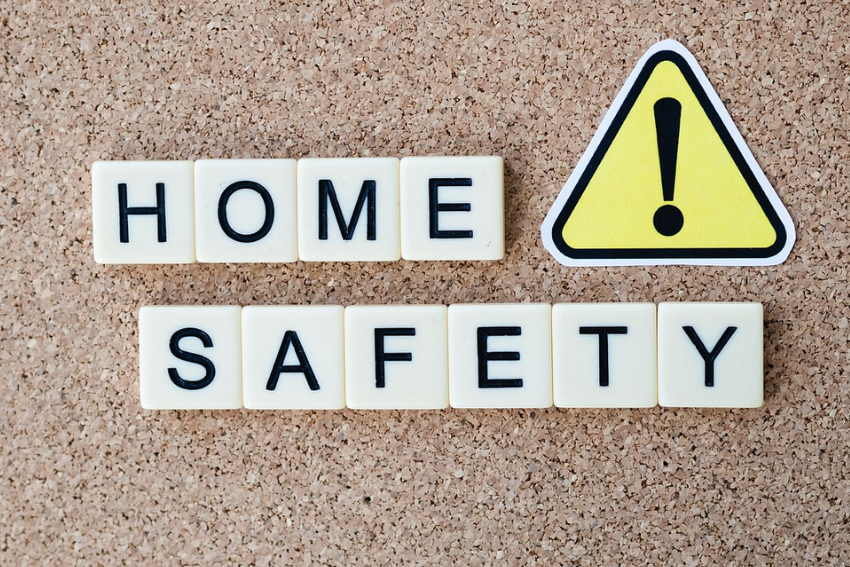
Nothing had gone wrong. Their child had simply started moving. That changes everything. Home safety isn’t really about preparing for dramatic emergencies. Most of the time, it’s about noticing ordinary things before they become problems. The little details. The everyday habits. The risks that hide in plain sight because we’ve stopped seeing them.
Most Dangerous Thing in Your House Might Be Familiarity
One of the biggest challenges for parents isn’t lack of awareness. It’s overfamiliarity. You walk through your home every day. You know every room, every corner, every creaky floorboard. After a while, your brain starts filtering things out. That loose cable near the television? Invisible.
The cleaning spray under the sink? Barely noticed. The chair positioned conveniently beneath a window? Just part of the furniture. Children don’t filter anything. Everything is interesting. Everything is worth investigating.
One exercise I’ve recommended to friends over the years sounds slightly ridiculous but works surprisingly well: get down on the floor and look around from your child’s perspective.
Not standing. Actually, on the floor. You’ll notice things you haven’t paid attention to in months. Maybe years. Suddenly the power outlet looks reachable. The glass decoration seems vulnerable. The drawer handles become tempting little invitations. It’s amazing what changes when you lower your viewpoint by three feet.
Kitchens Are Wonderful
The kitchen tends to be the center of family life. Meals happen there. Conversations happen there. People gather there without thinking.
Unfortunately, many household accidents happen there too. Not because parents are careless. Because kitchens combine heat, sharp objects, chemicals, heavy items, and distractions in a single space.
I once watched a toddler pull on a dangling tea towel hanging from an oven handle. Luckily nothing dangerous came with it. But it easily could have. That’s often how accidents work. They begin with something completely innocent. A pot handle sticking outward.
A knife left closer to the edge of a counter than usual. A dishwasher door left open after unloading. None of these things seem alarming on their own. Yet they’re exactly the kinds of details that create problems.
Parents who appear the most unconcerned about home safety aren’t necessarily the most cautious; they have simply adopted good habits. For instance, turning pot handles inward, keeping cleaning supplies under lock and key, and avoiding placing hot drinks where children can easily reach them—these actions become second nature to them.
Why “Just for A Second” Causes So Many Problems
If there’s one phrase that appears in countless accident stories, it’s this: “I only looked away for a second.” Not five minutes. Not half an hour. A second. Parenting involves constant interruptions. Phones ring. Deliveries arrive. Someone knocks on the door. Another child needs help.
Life happens. The issue isn’t distraction itself. Distraction is inevitable. The issue is assuming that nothing can happen during a brief moment of inattention.
Children move fast. Shockingly fast. A staircase can become an attraction in moments. A chair becomes a ladder. A coffee table becomes a launch platform for experiments in gravity.
Kids love experiments in gravity. Safety gates, window locks, and barriers often feel excessive until the day they prevent something serious. Then they suddenly seem very reasonable.
Small Objects Parents Worry About Too Late
Parents usually think about obvious dangers first. Sharp knives. Open flames. Busy roads. But some of the most serious risks come from objects small enough to fit in a pocket. Button batteries are a good example. So are magnets. Medication. Coins. Tiny toy parts.
The challenge is that many of these items don’t look dangerous. In fact, some look interesting. Bright. Colorful. Fun. Exactly the sort of thing a child wants to pick up.
A friend once discovered her toddler quietly sorting through a remote control whose battery compartment had loosened. Nothing happened. Thankfully.
But it was one of those moments that leaves you staring at an object you’ve ignored for years and suddenly seeing it differently. Children are remarkably skilled at finding the one thing adults forgot to consider.
Bathrooms Deserve More Respect
Bathrooms rarely feel threatening. There’s no stove. No knives. No obvious hazards. Yet they’re responsible for a surprising number of injuries.
Part of the problem is that several risks exist in a very small space. Water. Slippery floors. Medication. Electrical devices. Hot taps. Because bathrooms are so familiar, adults tend to underestimate them. Water, especially, deserves respect.
Many people imagine drowning as a dramatic event involving noise and splashing. Reality is often quieter. That’s why supervision matters so much around bathtubs, even when the water level seems insignificant.
Parents often know this intellectually. The challenge is remembering it during busy days when you’re tired and trying to do six things at once.
Safety Fixes Nobody Gets Excited About
Let’s be honest. Very few people wake up eager to install outlet covers. Nobody posts exciting social media updates about anchoring furniture. These are not glamorous projects.
But they’re the kind that matter. Children climb things. All children. Even the cautious ones. Especially the cautious ones, actually. They tend to wait until you’re convinced they won’t.
Bookshelves, dressers, and televisions can become climbing challenges without warning. Furniture anchors aren’t particularly exciting. They’re also one of the simplest ways to prevent a serious injury. Sometimes the most effective home safety improvements are the least impressive.
Everyday Spaces We Overlook
Ask parents about home safety and they’ll usually talk about kitchens, stairs, and bathrooms. Rarely hallways. Rarely entryways. Rarely living rooms. Yet these are often the spaces where children spend the most time.
Trips and falls frequently happen in ordinary areas of the house because clutter slowly becomes part of the landscape. A toy sits on the floor for three days. A backpack gets dropped near the door. Shoes collect in a corner.
Nobody notices until someone trips. One simple improvement is using quality entrance mats near frequently used doorways, especially in homes where rain, mud, or wet shoes are common.
It’s not a dramatic change, but it reduces slips and creates a safer transition between outdoors and indoors. Small improvements often have an outsized impact. That’s something experienced parents learn quickly.
Safety Products Help
Walk through any baby store and you’ll find entire aisles dedicated to safety products. Locks. Latches. Gates. Monitors. Corner protectors.
Some are genuinely useful. Others are less essential. But here’s something I’ve observed repeatedly: homes don’t become safer because of products alone.
They become safer because of routines. The lock works because someone remembers to lock it. The gate works because someone closes it.
The medicine stays secure because someone puts it away immediately instead of saying, “I’ll do it in a minute.” Good habits quietly outperform expensive gadgets. Every time.
Children Change Faster Than Houses Do
Perhaps the trickiest part of home safety is that the target keeps moving. Just when you’ve childproofed everything, your child develops a new skill. They learn to crawl. Then climb. Then open doors. Then move chairs. Then reach places you thought were impossible. It’s relentless.
A setup that worked perfectly six months ago may no longer work today. That’s why the best safety reviews aren’t complicated. Every few months, walk through your home and ask yourself a simple question: “What can my child do now that they couldn’t do before?” The answer usually reveals something worth adjusting.
Sometimes several things. Even replacing worn indoor mats that have started curling at the edges can make a noticeable difference once children become more active and spend more time running through the house. The details change as kids grow. The principle stays the same. Keep paying attention.
Final Thoughts
The safest homes aren’t necessarily the homes with the most gadgets, the strictest rules, or the biggest budgets. They’re the homes where adults stay curious. Where they keep noticing things. Where they resist the temptation to think, “That could never happen here.”
Because home safety is rarely about one big decision. It’s dozens of small decisions made consistently over time. Moving a chair. Locking a cabinet. Anchoring a shelf.
Picking something up from the floor. Checking a room with fresh eyes. None of those actions feel significant in the moment. Yet together they create something every parent wants: a home where children can explore, learn, grow, and be curious without unnecessary risk.
Honestly, that’s the goal. Not perfection. Just a safer place for the people who matter most.