










A Non-Denominational Church represents one of the fastest-growing movements in American Christianity today. Unlike traditional churches that align with specific denominations like Baptist, Methodist, or Presbyterian, these congregations stand alone. They operate independently without any formal ties to established religious organizations. This autonomy allows them to forge their own path when it comes to doctrine, worship style, and church governance. The rise of these independent churches has reshaped the religious landscape across the United States.
The Core Definition
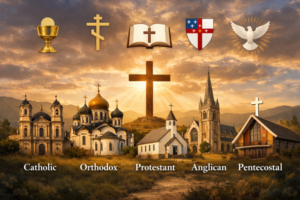
So, what exactly defines a Non-Denominational Church? At its most basic level, it is a Christian congregation that chooses not to affiliate with any recognized denomination or mainline church tradition. This includes all Catholic, Protestant, and Orthodox forms of organized religion. These churches often identify themselves simply as “Christian” or “born-again Christian” communities rather than attaching any specific denominational label to their name.
The defining characteristic of these churches is their independence. Each congregation governs itself without answering to any regional, national, or international church hierarchy. This structure, known as congregational polity, means that members and local leadership make all decisions about how the church operates.
A Brief History of the Non-Denominational Movement
The roots of the Non-Denominational Church run deep in American soil. The movement traces back to the 18th and 19th centuries, emerging during a time when the United States was cultivating its identity around individualism and self-governance.
The Stone-Campbell Restoration Movement played a pivotal role in shaping what we now recognize as non-denominational Christianity. This movement sought to restore what its leaders believed was the original, pure form of Christianity found in the New Testament. Two key figures, Barton Stone and Alexander Campbell, independently arrived at similar conclusions about returning to simple, biblical Christianity without the trappings of denominational structures.
The First and Second Great Awakenings also fueled the fire for independent congregations. These periods of religious revival swept across the American colonies and later the young nation, emphasizing personal faith and direct relationship with God over institutional religious authority.
The movement gained significant momentum in the mid-1940s and continued growing through the latter half of the 20th century. The Jesus Movement of the late 1960s and early 1970s in Southern California gave birth to influential churches like Calvary Chapel, which helped popularize the non-denominational model among younger generations.
Core Beliefs and Doctrines
While Non-Denominational Churches vary widely in their specific teachings, they generally share several common theological commitments.
The Authority of Scripture
Most non-denominational congregations place the Bible at the center of their faith and practice. They view Scripture as the ultimate authority for matters of belief and daily living. However, you will find variety in which Bible translation they use. Common choices include the New International Version (NIV), English Standard Version (ESV), and New Living Translation (NLT).
Emphasis on Personal Faith
These churches stress the importance of a personal relationship with Jesus Christ. Members often describe their faith journey in terms of a direct, personal connection with God rather than through the lens of institutional tradition.
Core Christian Doctrines
Despite their independent nature, most non-denominational churches hold to essential Christian beliefs. These typically include the Trinity, the divinity of Jesus Christ, salvation through faith, and the importance of evangelism. While they may avoid formal creeds, the substance of their faith aligns with historic Christian orthodoxy.
Diversity in Practice
This is where things get interesting. Non-denominational churches cover a wide spectrum when it comes to worship style and theological emphasis. Some lean toward fundamental, Bible-based teachings with traditional music and structure. Others embrace Spirit-led, contemporary worship with modern music and casual atmospheres. This diversity is actually one of the movement’s greatest strengths, allowing each congregation to tailor its approach to its specific community.
Governance and Church Structure
One of the most distinctive features of a Non-Denominational Church is how it governs itself.
Local Autonomy
Each congregation operates as its own independent entity. There is no central headquarters telling pastors what to preach or how to run their services. This local control extends to every aspect of church life, from budgeting to hiring staff to determining ministry priorities.
Leadership Models
These churches typically organize their leadership in one of several ways. Some are led by a senior pastor who holds significant authority. Others operate with a board of elders or a group of church members who share decision-making responsibilities. The specific structure varies from church to church, reflecting the congregation’s unique vision and values.
Freedom from Denominational Oversight
This independence means pastors and church leaders enjoy considerable freedom in how they lead. They do not need to follow denominational protocols or use specific resources mandated by a higher authority. For many, this freedom is exactly what draws them to the non-denominational model in the first place.
Why Are Non-Denominational Churches Growing So Rapidly?
The numbers tell a remarkable story. In 1972, fewer than three percent of Americans identified as non-denominational Christians. Today, that number has jumped to 14 percent, representing nearly 40 million people. Some experts predict that non-denominational Christians could overtake Roman Catholics within the next 15 years to become the largest religious tradition in America.
What’s Driving This Growth?
Disillusionment with Traditional Denominations. Many people have grown weary of denominational politics, infighting, and what they perceive as outdated traditions. They see non-denominational churches as offering a fresh start.
A Focus on Essentials. These churches often emphasize core Christian beliefs while avoiding secondary issues that tend to divide denominations. This “big tent” approach appeals to people who want to focus on what unites believers rather than what separates them.
Contemporary Worship and Casual Atmosphere. Many non-denominational churches have embraced modern worship styles, casual dress codes, and culturally relevant teaching methods. You are as likely to see jeans and baseball caps as you are suits and ties.
Accessibility for New Believers. People who are new to faith often find non-denominational churches more welcoming and less intimidating than traditional denominational congregations. The lack of denominational jargon and rituals can make the faith feel more accessible.
Strong Community Focus. These churches often prioritize small groups and community connections, helping people build meaningful relationships within the congregation.
Common Misconceptions About Non-Denominational Churches
“They Have No Doctrine”
This is simply not true. While they may not follow formal denominational creeds, non-denominational churches have clear doctrinal positions. The difference is that each congregation determines its own doctrine rather than adopting a pre-existing denominational statement of faith.
“They Are All the Same”
Nothing could be further from the truth. Non-denominational churches vary enormously in their theology, worship style, and church culture. Some are quite conservative, while others are more progressive. Some are charismatic, while others are more traditional in their worship expression.
“They Lack Accountability”
Critics sometimes raise concerns about accountability in independent churches. Without denominational oversight, there is a risk of pastoral abuse or doctrinal error going unchecked. However, many non-denominational churches build accountability through boards of elders, external advisory groups, or affiliations with networks of like-minded churches.
Pros and Cons of the Non-Denominational Model
The Advantages
- Freedom and Flexibility.Pastors and church leaders can respond quickly to their community’s needs without waiting for denominational approval. They can experiment with new ministry approaches and adapt their style to reach their specific audience.
- Focus on Mission.Without denominational bureaucracy, churches can direct more of their resources toward ministry and outreach rather than administrative overhead.
- Unity Around Essentials.By avoiding denominational distinctives, these churches can welcome believers from various backgrounds who share core Christian convictions.
The Challenges
- Lack of Oversight.The independence that makes these churches nimble can also leave them vulnerable to poor leadership or doctrinal drift.
- Inconsistent Quality.Without denominational standards, the quality of teaching, leadership, and ministry can vary dramatically from one congregation to another.
- Limited Resources.Smaller independent churches may lack the resources for missionary work, church planting, or other initiatives that larger denominations can support.
- Pastor Isolation.Pastors in independent churches may lack the support network and peer accountability that denominational structures provide.
What to Expect When Visiting a Non-Denominational Church
If you are considering visiting a Non-Denominational Church, here is what you might encounter.
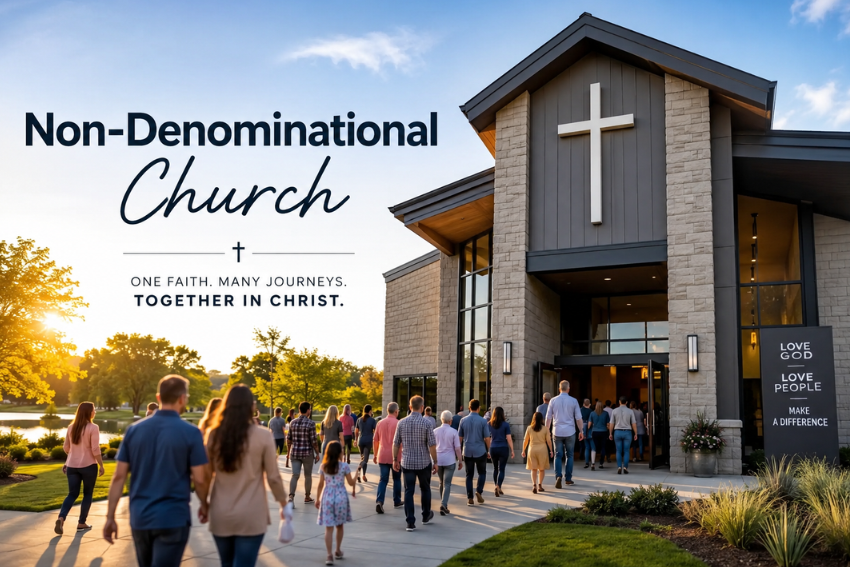
The atmosphere tends to be casual and welcoming. You will probably see people dressed in everything from business casual to jeans and t-shirts. The music is often contemporary, featuring a worship band with guitars, drums, and keyboards rather than a traditional organ or choir.
The teaching typically focuses on practical application of Scripture to everyday life. Sermons are often expository, working through books of the Bible verse by verse, or topical, addressing specific life issues from a biblical perspective.
You will likely find opportunities to connect with others through small groups, Bible studies, or fellowship events. Many non-denominational churches place a strong emphasis on community and relationships.
The Future of Non-Denominational Christianity
The trajectory of the Non-Denominational Church movement shows no signs of slowing down. With nearly 40,000 congregations across the United States and millions of adherents, these independent churches have become a major force in American Christianity.
What makes this movement particularly significant is its diversity. Non-denominational churches are attracting people from various ethnic backgrounds, age groups, and socioeconomic levels. Unlike some traditional denominations that are aging and shrinking, many non-denominational churches are drawing younger generations.
The movement reflects broader cultural shifts toward individualism, distrust of institutions, and desire for authentic, personal experience. As Americans continue to seek spiritual community on their own terms, non-denominational churches are well-positioned to meet that need.
Conclusion
A Non-Denominational Church represents a distinct approach to Christian community that prioritizes independence, biblical authority, and personal faith over institutional affiliation. These churches have grown from a small fringe movement to a major force in American religion, attracting millions who seek a fresh expression of ancient faith.
Whether you are exploring Christianity for the first time, disillusioned with your current church tradition, or simply curious about what these independent congregations offer, non-denominational churches provide a unique window into how faith is evolving in the 21st century. Their emphasis on essentials, contemporary approach, and welcoming atmosphere make them worth considering for anyone seeking spiritual community.
The non-denominational movement reminds us that at its heart, Christianity is about relationship, not religion. It is about following Jesus, not following a denomination. And that message continues to resonate with millions of Americans looking for authentic faith in an increasingly complex world.