



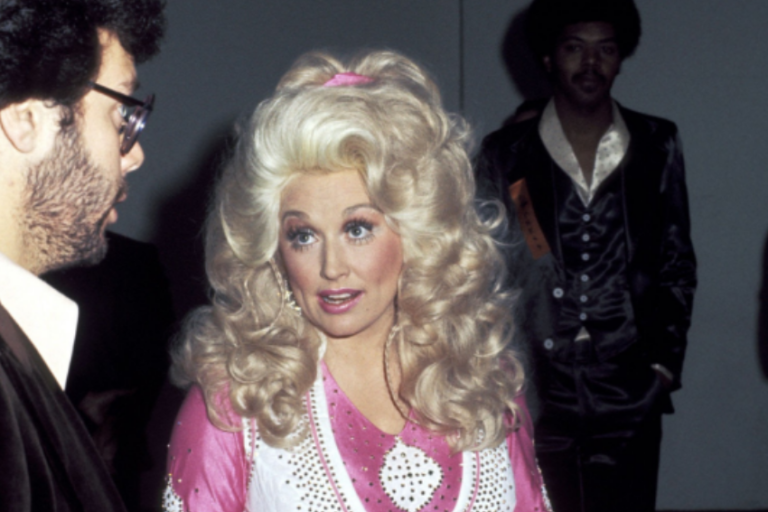





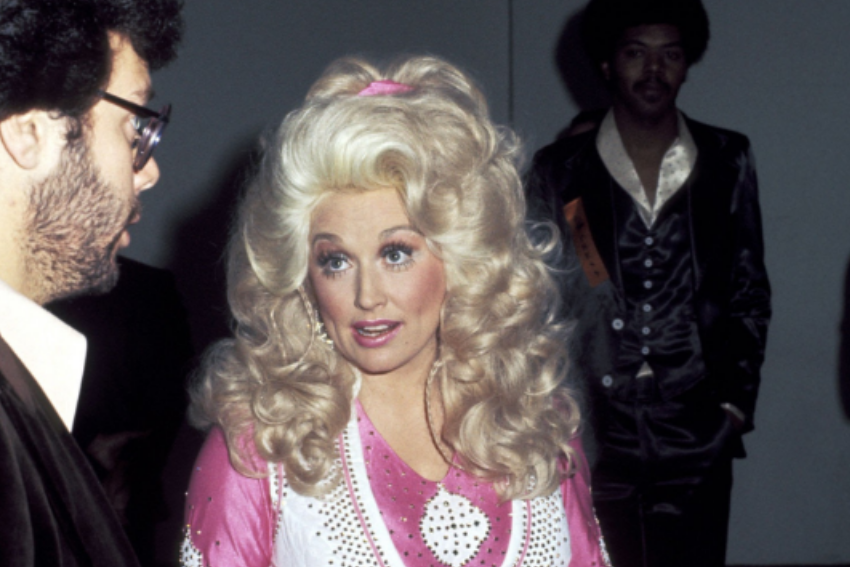
Dolly Parton’s response to a pointed question from Barbara Walters decades ago is being remembered for the grace, confidence and humor the country music icon displayed when discussing her Appalachian upbringing.
Parton sat down with Walters for an interview in December 1977, during the early years of her rise to mainstream stardom. The interview, which was broadcast in 1978, featured Walters asking the singer direct questions about her appearance, background and public image. Following Parton’s death at age 80, the vintage interview has resurfaced and drawn renewed attention to the way she handled difficult questions.
Barbara Walters asked Dolly Parton about being a “hillbilly”
During the interview, Walters asked Parton whether, where she came from, she would have been considered a “hillbilly.”
Parton did not respond with anger. Instead, she answered with humor, saying she might have “kicked your shins or something” if Walters had used the term to her face.
Walters continued pressing Parton about her rural background and the stereotypes associated with it. Rather than reject where she came from, Parton embraced it while challenging the negative assumptions attached to the label.
Parton explained that people from her upbringing were the inspiration for the kinds of rural characters portrayed in Li’l Abner. But she emphasized that her people were proud and had what she described as “country class.”
She also made an important distinction between formal education and intelligence, pointing out that many people in her community were not highly educated but possessed intelligence, practical judgment and what they called “horse sense.”
Parton turned an insult into a statement of pride
The moment has since been interpreted as an example of Parton’s ability to take a potentially insulting characterization and turn it into something positive.
Rather than spending the interview defending herself against the “hillbilly” label, Parton effectively changed the meaning of the word. She acknowledged her roots while making it clear that coming from a rural, less-educated community did not mean lacking intelligence, dignity or sophistication.
Communication coach Dorie Clark, whose analysis was cited by Inc., described this approach as a “label upgrade” — taking a negative frame imposed by someone else and redefining it on your own terms.
That response has become one of the most memorable parts of the interview because Parton managed to remain composed without allowing the question to diminish her or the people she represented.
Dolly Parton later reflected on the interview
Parton herself later revisited the Barbara Walters interview in her 1994 memoir, Dolly: My Life and Other Unfinished Business.
According to PEOPLE, Parton recalled that people had warned her that Walters would be difficult to deal with and might overwhelm her during the interview. Parton ultimately had a much more positive assessment of the journalist, writing that Walters was insightful and eventually recognized that Parton was genuine.
The memoir reflection adds another layer to the famous exchange. Despite the challenging questions, Parton did not appear to hold the encounter against Walters. Instead, she remembered the interview as an opportunity for the journalist to understand who she really was beneath her highly recognizable public image.
Parton’s fairy-tale answer became another memorable moment
The interview also included a moment when Walters suggested that Parton lived in her imagination.
Parton responded by telling her own story as a fairy tale, beginning with a little girl named Dolly Parton who grew up in a small mountain town surrounded by family, love and security. She described the girl as curious and ambitious, dreaming of the kind of life she had seen in fairy tales.
Parton ultimately framed her life as a story in which the little girl worked hard, dreamed and eventually achieved her dreams.
The exchange captured something central to Parton’s public persona: she was comfortable acknowledging her humble beginnings while refusing to let those beginnings define the limits of what she could accomplish.
Why the old interview is resonating again
The resurfacing of the interview comes as fans and media outlets revisit Parton’s legacy following her death at 80.
While her music, philanthropy and business achievements remain central to her legacy, the Walters interview offers a glimpse of the personality behind the larger-than-life image. Parton was already capable of handling condescending or uncomfortable questions with a combination of humor, self-awareness and confidence.
Her response to Walters demonstrates why she became such a distinctive cultural figure. She did not need to deny her roots to establish her success. Instead, she turned those roots into a source of identity and pride.
Decades later, the exchange remains memorable for a simple reason: Parton refused to be embarrassed by where she came from. She took a potentially dismissive label and transformed it into an affirmation of intelligence, dignity, hard work and “country class.”