








Instagram Ads have become one of the most effective digital marketing tools for businesses that want to increase brand awareness, generate qualified leads, and drive online sales.
With more than two billion monthly active users across Instagram’s ecosystem and powerful AI driven targeting through Meta’s advertising platform, brands of every size can reach highly relevant audiences with remarkable precision.
Whether you own a small ecommerce store, manage a local business, or market enterprise software, Instagram advertising offers scalable solutions that align with almost every marketing objective.
What makes Instagram stand out is its visual first experience. Unlike traditional advertising channels, Instagram allows brands to tell compelling stories using high quality images, engaging videos, immersive Reels, and interactive Stories.
This combination of visual storytelling and advanced audience targeting creates an environment where advertisements feel more natural and engaging. Users discover products while browsing content they already enjoy, making the customer journey smoother and more effective.
This guide explains everything you need to know about Instagram Ads, from understanding how they work to selecting the right ad format and preparing your first campaign for success.
What Are Instagram Ads?
Instagram ads are paid posts that brands use to get in front of a specific audience. These ads appear across the Instagram platform, including the Feed, Stories, Reels, and the Explore page.
While they look similar to normal Instagram posts, they always include a “Sponsored” tag, plus extra features like call-to-action buttons, product tags, and links. Instagram ads can contain images, videos, carousels (multiple images), or collections (dynamic product galleries).
Every format is bought through the same auction system that powers Facebook advertising, meaning one budget can reach both apps. The most effective Instagram ads are mobile-friendly, with vertical visuals and minimal text.
How Instagram Ads Work
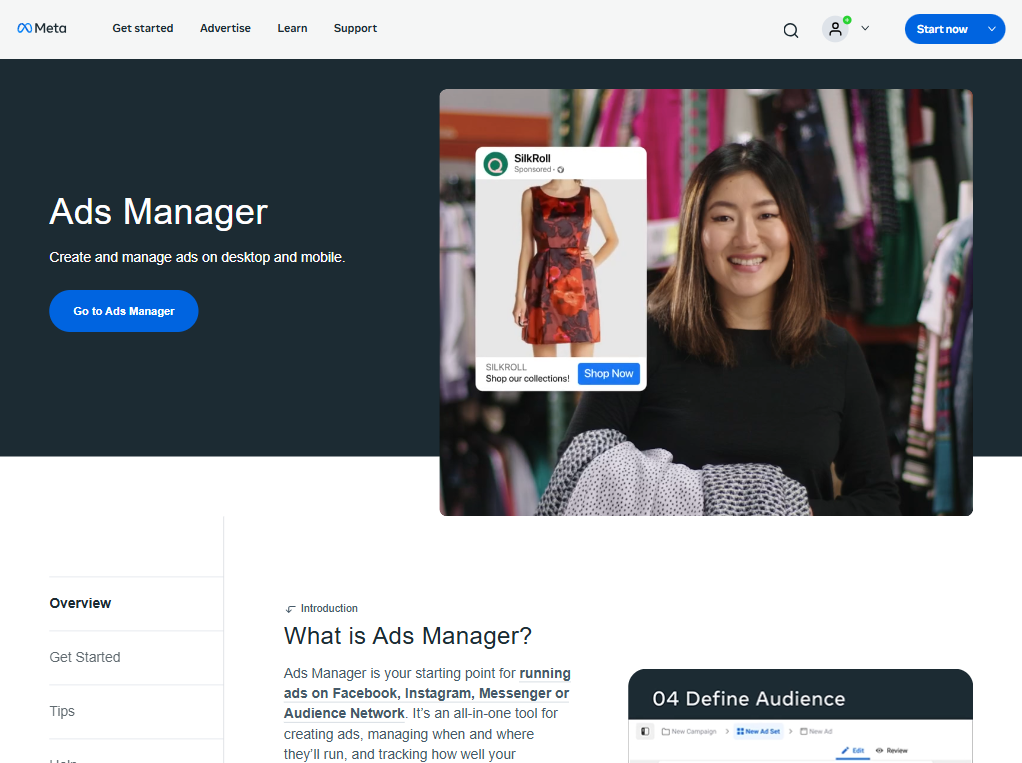
Instagram ads run through Meta Ads Manager, the same platform used to manage Facebook advertising. When you set up an ad, you choose a campaign objective that tells Meta what you want to achieve — whether that’s awareness, traffic, engagement, lead generation, or conversions. Meta’s algorithm then uses this objective to determine how and where to show your ad.
Your ads are delivered through a real-time auction. Every time someone opens Instagram and scrolls, Meta runs an auction in roughly 200 milliseconds. The platform evaluates all ads competing for that impression and decides which one wins based on three key factors: your bid amount, the estimated action rate (how likely the user is to take your desired action), and ad quality.
The ad with the highest total value wins the auction. A cheaper bid with strong creative frequently beats a higher bid with weak creative, which is why Instagram rewards native-feeling content over repurposed display banners.
Benefits of Instagram Ads
Instagram advertising offers several distinct advantages for businesses of all sizes:
Precision Targeting
Because Instagram is owned by Meta, advertisers have access to sophisticated targeting based on demographics, interests, behaviors, and first-party data. You can reach exactly the audience you want, whether that’s local customers or international buyers.
High Engagement
Instagram users are highly engaged. The average Instagram engagement rate of 0.48% compares favorably to Facebook’s 0.15%. Instagram Reels, in particular, deliver an average engagement rate of 2.8%. Users are primed to engage with high-quality visual content.
Visual-First Experience
Instagram’s visual nature makes it ideal for product discovery and brand storytelling. Well-crafted ads that fit naturally into the feed or Stories experience can generate engagement and conversions that feel organic rather than interruptive.
Full-Funnel Capability
Instagram has evolved from a photo-sharing app into a full-funnel marketing channel capable of generating awareness, driving traffic, and converting sales directly within the app. Paid ads complement organic content by putting your brand in front of more people and turning interest into measurable results.
Measurable ROI
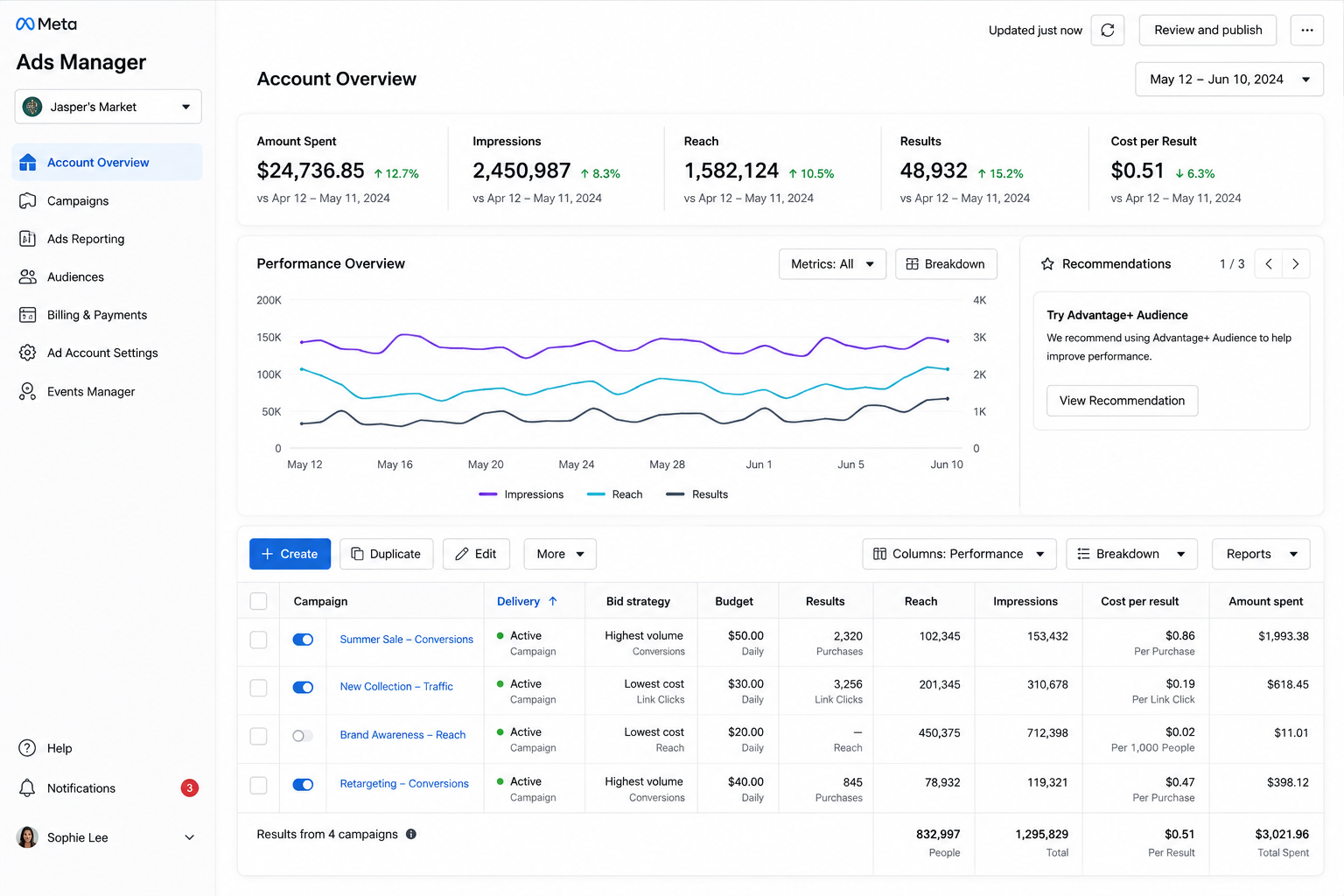
Social media advertising helps businesses control their ad spend and measure results more clearly than most other marketing channels. With Meta’s AI-powered advertising tools and unified reporting across Facebook and Instagram, you can track exactly what your budget is achieving.
Types of Instagram Ads
Instagram offers a variety of ad formats, each designed for different campaign goals, audiences, and creative styles. Below is a breakdown of the core ad types available.
Image Ads
Image Ads remain one of the simplest yet most effective advertising formats on Instagram. They consist of a single high quality image accompanied by a caption and a call to action button. Although simple, these advertisements can generate excellent results when supported by compelling visuals and persuasive copy.
A successful Image Ad focuses on one clear message. Instead of overcrowding the creative with excessive text or multiple products, highlight a single offer or benefit. Professional photography, bold colors, and a clean composition often outperform cluttered designs because users can quickly understand the advertisement while scrolling through their feeds.
Businesses commonly use Image Ads to promote new product launches, seasonal offers, company announcements, and brand awareness campaigns. Since users typically spend only a few seconds viewing content before moving on, the headline, image, and call to action should work together to communicate value immediately. Including social proof, such as customer ratings or awards, can also improve credibility and increase engagement.
Best Practices for Image Ads
- Use high resolution images.
- Keep text minimal within the image.
- Write benefit driven captions.
- Include a strong call to action.
- Maintain consistent branding.
Video Ads
Video Ads allow businesses to tell richer stories than static images. They are ideal for product demonstrations, tutorials, customer testimonials, behind the scenes content, and educational marketing. Videos capture attention quickly and can explain complex ideas within seconds, making them especially valuable for technology products, online services, and ecommerce brands.
The first three seconds of a video determine whether viewers continue watching. Start with an attention grabbing visual or question instead of lengthy introductions. Mobile users consume content rapidly, so concise storytelling generally performs better than lengthy explanations. Adding captions is equally important because many users watch videos with the sound turned off.
High performing Video Ads often focus on solving a customer problem rather than simply showcasing features. Showing how a product improves everyday life creates emotional engagement and encourages viewers to learn more. Experimenting with different video lengths, hooks, and editing styles can reveal what resonates best with your audience.
Carousel Ads
Carousel Ads enable advertisers to showcase multiple images or videos within a single advertisement. Users can swipe through each card, making this format perfect for displaying product collections, explaining step by step processes, or highlighting different features of one product.
For ecommerce businesses, Carousel Ads are particularly valuable because they allow customers to explore several products without leaving Instagram. Fashion brands can display complete outfits, furniture retailers can show room transformations, and software companies can explain multiple features in a logical sequence.
Each card should contribute to a cohesive story rather than acting as an unrelated image. The first card should capture attention, while the remaining cards gradually build interest and encourage users to click the final call to action.
Stories Ads
Stories Ads appear between users’ Instagram Stories and occupy the entire mobile screen. This immersive format creates a distraction free experience that encourages viewers to focus entirely on your message.
Stories Ads work exceptionally well for time sensitive promotions, flash sales, limited time offers, event registrations, and product launches. Since Stories disappear naturally after viewing, they create a sense of urgency that motivates immediate action.
Successful Stories Ads rely on vertical creative optimized specifically for smartphones. Use large text, vibrant visuals, and concise messaging. Interactive elements such as polls, stickers, or swipe up style calls to action can increase engagement and improve campaign performance.
Reels Ads
Reels have become one of Instagram’s fastest growing content formats, making Reels Ads an essential part of many advertising strategies. These advertisements appear naturally between organic Reels and allow businesses to reach users who actively consume short form video content.
Reels Ads succeed because they feel less like traditional advertising and more like entertaining content. Brands that embrace creativity, humor, storytelling, and authentic experiences often outperform overly polished commercials. Rather than selling aggressively, successful Reels educate, inspire, or entertain while subtly introducing products or services.
Trending music, fast paced editing, captions, and engaging opening scenes can significantly improve watch time. Businesses should also test user generated content, influencer collaborations, and behind the scenes footage, as these formats often generate stronger engagement than studio produced advertisements.
Explore Ads
The Explore section helps Instagram users discover new content based on their interests and browsing behavior. Explore Ads appear alongside this recommended content, allowing businesses to reach audiences who are actively looking for new brands, products, and creators.
Unlike Feed Ads, Explore Ads target users who already have a discovery mindset. This makes them particularly effective for introducing new products, expanding into new markets, or increasing brand awareness among audiences unfamiliar with your business.
Creative quality plays a major role in Explore Ads because users are surrounded by visually compelling content. Advertisements should feature bold imagery, concise messaging, and a clear value proposition that encourages users to learn more.
Shopping Ads
Shopping Ads simplify the buying process by allowing customers to discover products and move directly toward purchase. Businesses with ecommerce stores can connect product catalogs to Meta’s commerce platform, enabling users to browse products without unnecessary friction.
These advertisements work especially well for fashion, beauty, electronics, home decor, fitness equipment, and lifestyle brands. Product tags, pricing information, and direct purchase links reduce the number of steps required before completing a transaction.
High quality product photography, detailed descriptions, and competitive pricing all contribute to stronger Shopping Ad performance. Pairing Shopping Ads with retargeting campaigns can also increase conversion rates by reminding previous visitors about products they viewed but did not purchase.
How to Create Instagram Ads
Creating Instagram Ads involves more than uploading an image and setting a budget. Every successful campaign begins with clear planning and a structured approach. Meta Ads Manager guides advertisers through the campaign creation process, allowing them to choose objectives, define audiences, allocate budgets, design creatives, and monitor results from one centralized platform.
Before launching your first campaign, ensure that your Instagram Business Account is connected to a Meta Business Portfolio and linked with your Facebook Page. Installing the Meta Pixel or the Meta Conversions API on your website is equally important because these tools help measure conversions, optimize delivery, and build retargeting audiences.
Requirements Before You Begin
- Instagram Professional Account
- Facebook Page connected to Instagram
- Meta Business Portfolio
- Meta Ads Manager access
- Payment method configured
- Meta Pixel or Conversions API installed
- Website with conversion tracking enabled
Step by Step Campaign Setup
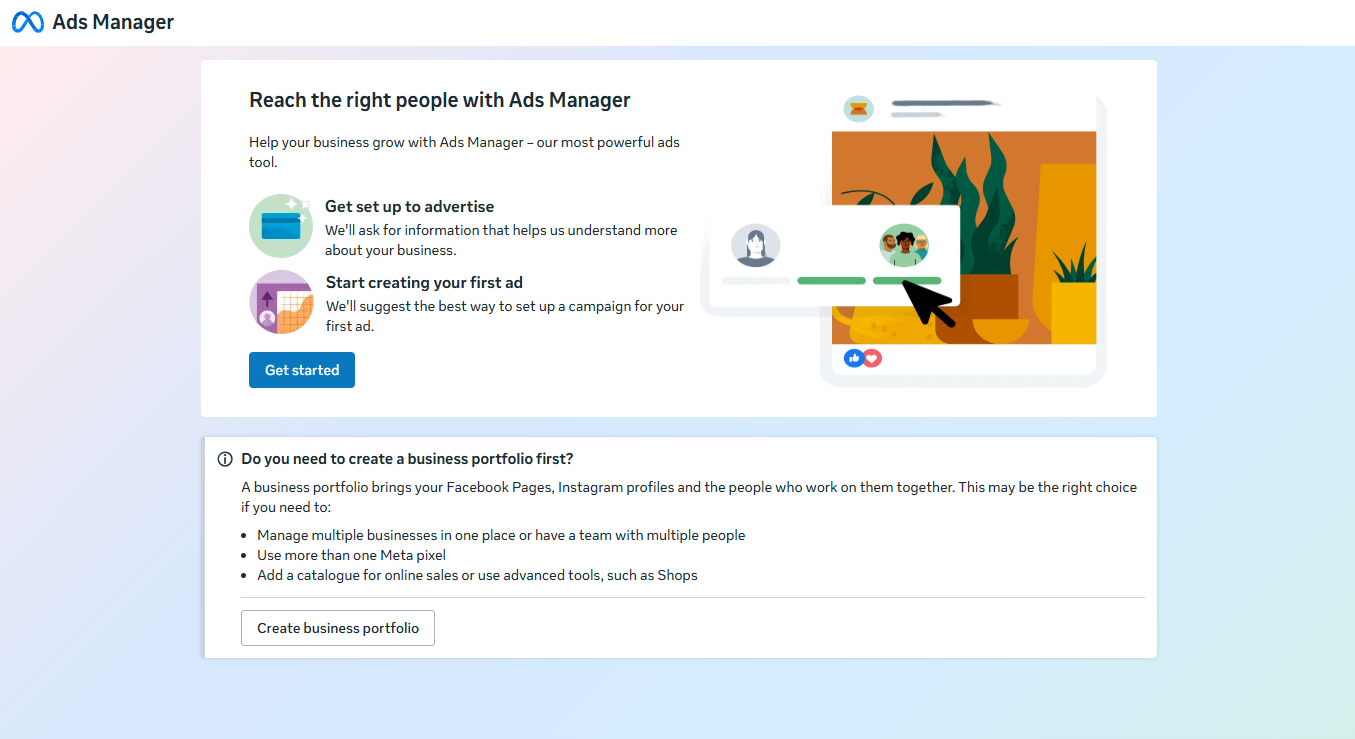
Step 1: Open Meta Ads Manager
Log in to Meta Ads Manager and select Create to start a new campaign.
Step 2: Choose Your Campaign Objective
Select the objective that aligns with your business goal.
| Objective | Best For |
|---|---|
| Awareness | Brand visibility |
| Traffic | Website visitors |
| Engagement | Likes, comments, shares |
| Leads | Lead generation |
| App Promotion | Mobile app installs |
| Sales | Ecommerce purchases |
Choosing the correct objective allows Meta’s machine learning system to optimize delivery toward users most likely to complete your desired action.
Step 3: Define Your Audience
Audience targeting determines who sees your advertisements. You can target users using:
- Age
- Gender
- Geographic location
- Interests
- Languages
- Behaviors
- Custom Audiences
- Lookalike Audiences
Avoid making your audience too narrow during the early testing phase. Giving Meta sufficient flexibility often produces better optimization results.
Step 4: Set Your Budget
Advertisers can choose between:
- Daily Budget
- Lifetime Budget
Start with a manageable daily budget while collecting performance data. After identifying winning creatives and audiences, gradually increase spending instead of making large budget changes overnight.
Step 5: Select Placements
For most advertisers, Advantage+ Placements provides the best starting point because Meta automatically delivers advertisements across placements where they are likely to perform best.
Manual placements remain useful when campaigns require platform specific creatives, such as Stories only or Reels only advertisements.
Screenshot Placeholder 4
Insert Screenshot Here: Placement selection screen inside Meta Ads Manager.
Suggested Alt Text: Meta Ads Manager displaying Advantage Plus Placements and Manual Placements options.
How to Write High Converting Instagram Ad Copy
Great visuals may stop users from scrolling, but persuasive copy motivates them to take action. Effective Instagram ad copy is concise, benefit focused, and written with a clear understanding of the target audience. Instead of describing product features, explain how the product solves a real problem or improves the customer’s life.
Start your primary text with a compelling hook. Ask a question, present a surprising statistic, or address a common pain point. For example, instead of saying, “Our software includes advanced analytics,” try, “Spending hours creating reports? Automate them in minutes.”
Every advertisement should contain one clear call to action. Whether you want users to shop now, sign up, request a demo, or learn more, avoid confusing readers with multiple competing actions. Strong copy paired with relevant visuals creates a consistent message that improves engagement and conversion rates.
Keep these principles in mind:
- Focus on benefits before features.
- Address one audience segment at a time.
- Include a clear value proposition.
- Create urgency only when it is genuine.
- End with a strong call to action.
Creative Design Best Practices
Instagram is a visual platform, so creative quality directly influences campaign success. Even perfectly targeted campaigns can underperform if the images or videos fail to capture attention.
Use high resolution images that reflect your brand identity. Avoid cluttered layouts and excessive text overlays. Ensure that colors, typography, and messaging remain consistent across all advertisements to strengthen brand recognition.
For videos, capture attention within the first three seconds. Show the product in action rather than relying solely on logos or title screens. Add captions because many users browse Instagram with sound muted.
Before launching campaigns, review creatives on multiple mobile devices to verify readability, image quality, and call to action placement.
Instagram Ads Costs
One of the most common questions businesses ask is, “How much do Instagram Ads cost?”
The answer depends on several variables:
- Audience competition
- Industry
- Campaign objective
- Geographic location
- Creative quality
- Seasonality
- Bid strategy
Instead of charging a fixed advertising fee, Meta uses an auction based system. Advertisers compete for impressions, but the highest bid does not automatically win. Meta also evaluates expected performance and ad quality.
Typical pricing trends include:
| Metric | Typical Range |
|---|---|
| Cost Per Click | Varies by industry and competition |
| Cost Per Thousand Impressions | Varies by audience and season |
| Cost Per Acquisition | Depends on conversion rate and campaign quality |
Rather than focusing only on click costs, evaluate overall return on investment. A campaign with higher clicks but poor conversion rates is less valuable than one producing qualified leads or sales.
Choosing the Right Bidding Strategy
Meta offers multiple bidding approaches that support different business goals.
- Highest Volume: Designed to maximize results within your available budget. This option works well for most advertisers, especially beginners.
- Cost Goal: Attempts to maintain an average cost per result while maximizing conversions.
- Bid Cap: Allows experienced advertisers to define the maximum amount they are willing to bid during the auction.
Unless you have significant historical campaign data, automated bidding generally delivers the best balance between performance and simplicity.
Important Metrics to Track
Launching advertisements is only the beginning. Continuous analysis separates successful campaigns from unsuccessful ones.
Monitor these key performance indicators regularly:
| Metric | Why It Matters |
|---|---|
| Reach | Number of unique users who saw the ad |
| Impressions | Total ad views |
| Click Through Rate | Measures engagement with the ad |
| Cost Per Click | Indicates traffic efficiency |
| Conversion Rate | Shows how many visitors completed the desired action |
| Return on Ad Spend | Measures revenue generated from advertising |
| Frequency | Reveals how often users see the same advertisement |
Avoid making decisions based on a single metric. High click through rates means little if visitors never convert.
A/B Testing for Better Performance
Successful advertisers rarely rely on assumptions. Instead, they test different campaign elements to identify what resonates most with their audience.
Variables worth testing include:
- Headlines
- Images
- Videos
- Audience segments
- Call to action buttons
- Landing pages
- Ad copy length
Test one variable at a time. Changing multiple elements simultaneously makes it difficult to identify which change influenced performance.
Allow campaigns to gather enough data before declaring a winner. Premature decisions often produce misleading results.
Common Instagram Advertising Mistakes
Many advertisers waste budget because of avoidable mistakes rather than platform limitations.
Some of the most common include:
- Targeting audiences that are too broad or too narrow.
- Using low quality images or videos.
- Ignoring mobile optimization.
- Sending users to slow landing pages.
- Failing to install conversion tracking.
- Editing campaigns too frequently during the learning phase.
- Using weak calls to action.
- Running only one creative without testing alternatives.
Avoiding these mistakes can significantly improve campaign efficiency without increasing your advertising budget.
Advanced Optimization Strategies
Once campaigns generate consistent results, advanced optimization techniques can further improve profitability.
Retargeting remains one of the highest performing strategies. Showing advertisements to users who previously visited your website or interacted with your Instagram profile typically produces stronger conversion rates than targeting completely new audiences.
Lookalike Audiences also deserve attention. Meta analyzes your existing customers and identifies users with similar characteristics, expanding your reach while maintaining relevance.
Other advanced tactics include:
- Dynamic product advertisements
- Value based lookalike audiences
- Creative refresh schedules
- Automated rules
- Advantage Plus Shopping Campaigns
- Conversion API implementation
Combining these strategies creates a more efficient advertising system that scales alongside business growth.
Expert Tips for Long Term Success
High performing advertisers focus on continuous improvement rather than searching for one perfect campaign.
Follow these recommendations:
- Publish fresh creatives regularly.
- Match ad messaging with landing page content.
- Use authentic customer testimonials.
- Build campaigns around customer problems instead of product features.
- Review performance weekly instead of reacting daily.
- Invest in quality creative production.
- Test new audience segments consistently.
- Monitor competitor advertising trends for inspiration rather than imitation.
Success on Instagram comes from learning, testing, and optimizing over time.
Conclusion
Instagram Ads remain one of the most effective digital advertising channels for businesses of every size. With powerful audience targeting, multiple creative formats, AI driven optimization, and detailed performance analytics, the platform enables marketers to build awareness, generate leads, and increase sales from a single advertising ecosystem.
The most successful campaigns combine compelling creative, persuasive copy, accurate targeting, and continuous optimization. Rather than expecting immediate perfection, treat every campaign as an opportunity to learn more about your audience. Small improvements in creative quality, landing page experience, and audience selection often compound into substantial gains over time.
Whether you are launching your first campaign or scaling an established advertising strategy, investing in testing, analytics, and customer focused messaging will position your business for long term success on Instagram.
Frequently Asked Questions
Are Instagram Ads worth it for small businesses?
Yes. Even businesses with modest budgets can reach highly targeted audiences and generate measurable results through well optimized campaigns.
How much should I spend on Instagram Ads?
Start with a budget that allows you to collect meaningful performance data. Increase spending gradually after identifying successful audiences and creatives.
Which Instagram ad format performs best?
There is no universal winner. Reels Ads often generate strong engagement, while Carousel and Shopping Ads frequently perform well for ecommerce businesses. The best format depends on your objective.
Can I run Instagram Ads without a Facebook account?
You need a Meta Business account and access to Meta Ads Manager to use the platform’s advanced advertising features.
How long should I run an Instagram advertising campaign?
Allow campaigns enough time to exit the learning phase and gather sufficient data before making significant changes. Evaluate results based on conversions and return on investment rather than only short term engagement.