










Many nonprofit organizations are dependent on grant management to guarantee that they acquire and use all the funds efficiently to meet their objectives. This process is very important in a world where funding may make or break important causes. No matter whether you are managing a small community organization or a bigger charity, the ability to work through grants beginning to end may result in long-lasting growth and influence.
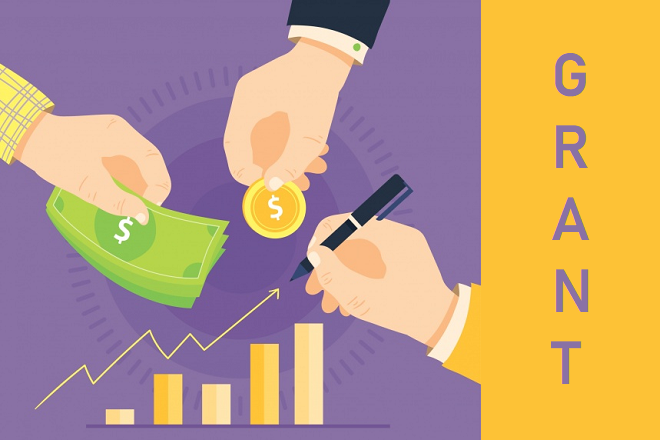
This guide breaks down the fundamentals of grant management, providing viable strategies that are specific to nonprofit success. We will look at the planning stage, evaluation of the long-term perspective with tips on how to avoid pitfalls. At the end, you will have a clear map on how to enhance the funding activities within your organization.
What is Grant Management?
Grant management is a process that manages the whole life cycle of grants, including the identification of opportunities and reporting on the results. It is not merely a matter of applying money but a holistic way of doing things so that the money is spent in a responsible manner which is also in line with the mission of your nonprofit organization.
In the case of nonprofits, good grant management entails the establishment of rapport with the funders, accountability, and maximization of the dollar received. Incompetent management may result in compliance problems, loss of funding or even a tarnished reputation. On the other hand, good practices pave way to opportunities and better collaborations.
Key Strategies for Effective Grant Management
To succeed in grant management, nonprofits need a structured yet flexible approach. Here are some proven strategies, broken down into key phases.
Planning and Preparation
Before diving into applications, solid planning sets the stage for success. This phase is about aligning your needs with available opportunities.
- Research potential funders thoroughly: Look for grants that match your mission, using databases like Foundation Directory Online or government portals.
- Develop a grant calendar: Track deadlines, requirements, and past applications to stay organized and avoid last-minute rushes.
- Build internal capacity: Train your team on grant writing and management basics to distribute the workload effectively.
- Assess your organization’s readiness: Ensure you have the systems in place, like financial tracking tools, to handle grant requirements from day one.
By focusing on preparation, you position your nonprofit as a reliable candidate, increasing your chances of approval.
The Application Process
Crafting a compelling application is where many nonprofits shine or stumble. Grant management here emphasizes clarity and persuasion.
- Tailor proposals to each funder: Avoid generic templates; highlight how your project addresses their specific priorities.
- Gather strong supporting documents: Include budgets, timelines, and impact metrics that show your track record.
- Collaborate with stakeholders: Involve board members, staff, and even beneficiaries for authentic input.
- Proofread and refine: Multiple reviews help catch errors and strengthen your narrative.
Remember, a well-prepared application not only seeks funds but also tells a story of your nonprofit’s potential impact.
Managing Awards and Implementation
Once a grant is awarded, the real work of grant management begins. This stage focuses on execution while maintaining compliance.
- Set up tracking systems: Use software like QuickBooks or grant-specific tools to monitor spending and progress.
- Communicate regularly with funders: Provide updates proactively to build trust and address issues early.
- Allocate resources wisely: Stick to the approved budget, making adjustments only with funder approval.
- Train your team on compliance: Ensure everyone understands rules around allowable expenses and reporting.
Effective award management turns funding into tangible results, reinforcing your nonprofit’s credibility for future grants.
Reporting and Compliance
Reporting is a critical aspect of grant management that demonstrates accountability and outcomes.
- Meet all deadlines: Submit financial and narrative reports on time to avoid penalties.
- Use data to tell your story: Include metrics, success stories, and lessons learned to show real impact.
- Maintain accurate records: Keep detailed documentation for audits or reviews.
- Address any variances: Explain budget changes or project shifts transparently.
Strong compliance not only fulfills obligations but also strengthens relationships with funders, paving the way for renewals.
Evaluation and Continuous Improvement
The final phase of grant management involves reflecting on what worked and what didn’t.
- Conduct internal reviews: Analyze outcomes against goals to identify strengths and areas for growth.
- Seek feedback from funders: Use their insights to refine future approaches.
- Update your strategies: Incorporate lessons into your grant calendar and training.
- Celebrate successes: Share wins with your team and supporters to boost morale.
By treating evaluation as an ongoing process, nonprofits can refine their grant management practices over time, leading to greater efficiency and success.
Challenges in Grant Management and How to Overcome Them
Nonprofits often face hurdles in grant management, but proactive steps can mitigate them.
- Limited resources: Prioritize high-impact grants and automate routine tasks with free tools like Google Workspace.
- Complex requirements: Break them down into checklists and assign clear responsibilities.
- Competition for funds: Diversify your funding sources, including individual donors and corporate partnerships.
- Burnout among staff: Rotate roles and provide professional development opportunities.
Addressing these challenges head-on ensures your grant management efforts remain sustainable.
Why Strong Grant Management Matters for Nonprofit Success
In the modern competitive world, grant management is not just a possibility, but a necessity to survive and develop. It enables nonprofits to concentrate on their missions at heart, whether it is education or environmental protection, without being faced with issues of financial concern all the time. These strategies will help your organization to attract additional funds, achieve greater impact and establish enduring relationships.
With changing funding situations, it is important to remain malleable. Continue learning, networking and improving your plan on how to manage grants. Your nonprofit will be a success and make a difference with hard work.
Frequently Asked Questions (FAQs)
What is the first step in grant management for nonprofits?
The first step is thorough planning and research to identify grants that align with your mission and assess your organization’s readiness.
How can nonprofits improve their grant application success rate?
Focus on tailoring proposals to funders’ priorities, providing strong evidence of past impact, and ensuring applications are error-free through multiple reviews.
What tools are useful for grant management?
Tools like grant tracking software (e.g., Fluxx or Submittable), financial systems (e.g., QuickBooks), and project management apps (e.g., Asana) can streamline processes.
How often should nonprofits evaluate their grant management practices?
Ideally, after each grant cycle, with a comprehensive annual review to incorporate broader lessons and trends.
What happens if a nonprofit fails to comply with grant requirements?
Noncompliance can lead to fund repayment, loss of future funding, or legal issues, so always prioritize accurate reporting and communication.