












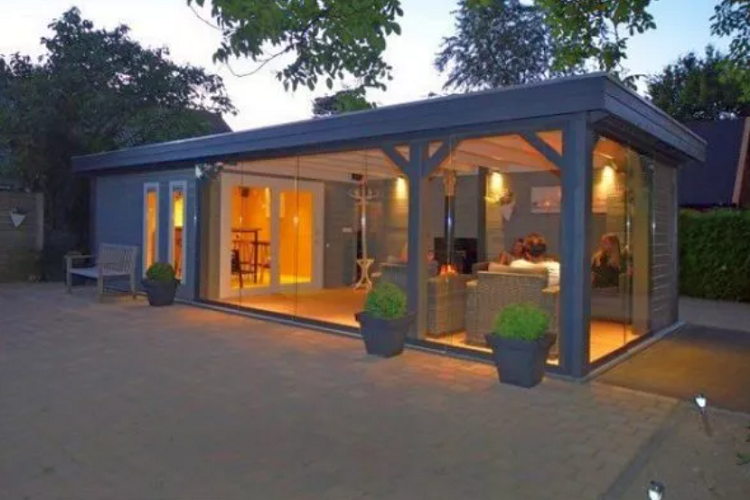
Designing a cozy summerhouse with side shed is more than a backyard upgrade. It is a chance to create a retreat that balances comfort, function, and personality in one thoughtfully planned space. Whether you want a quiet reading nook, a creative studio, or a place to entertain friends, the right design approach can transform a simple structure into a year round sanctuary.
A summerhouse with a side shed offers something uniquely practical. You get the charm of a relaxed living space along with the utility of dedicated storage. That combination opens up endless design possibilities. Still, it also requires careful planning so that both areas feel cohesive rather than disconnected.
Let’s break down the most effective strategies to design a space that feels warm, inviting, and intelligently organized.
Start with a Clear Purpose
Before you choose materials or colors, define how you plan to use your summerhouse. This step shapes every decision that follows.
Ask yourself a few direct questions:
- Will this be a relaxation space, workspace, or entertainment zone
- Do you need insulation for year round use
- How much storage will the side shed handle
- Will guests use the space frequently
If your goal is a peaceful retreat, prioritize comfort and natural light. If you plan to work there, focus on ergonomics and lighting. When you define purpose early, you avoid design conflicts later.
Choose the Right Location in Your Yard
Placement matters more than most people expect. A poorly positioned summerhouse can feel disconnected or underused.
Look for a spot that offers:
- Good sunlight exposure without harsh afternoon heat
- Natural privacy from neighbors
- Easy access from your main house
- A pleasant view of your garden or landscape
Position the side shed so it remains discreet yet accessible. You want functionality without disrupting the visual appeal of the main structure.
Optimize Layout for Comfort and Efficiency
A well-designed layout ensures both the summerhouse and side shed serve their roles effectively.
Smart layout ideas:
- Place the entrance to the shed on the side or rear to keep the front visually appealing
- Use internal partitions if you want a partially connected storage area
- Keep pathways clear and intuitive
- Avoid overcrowding the main room
Think of the summerhouse as your living space and the shed as your support system. Each should feel purposeful.
Select Materials That Enhance Warmth
Material selection plays a huge role in creating a cozy feel. Natural textures often work best.
Recommended materials:
- Timber for walls and flooring
- Soft textiles like cotton and linen
- Stone or brick accents for character
- Glass panels for openness and light
Wood remains a top choice because it creates instant warmth. Pair it with neutral tones and you get a calming environment that never feels dated.
Focus on Insulation and Ventilation
A cozy space is not just about aesthetics. It is about comfort in every season.
Good insulation keeps the space warm in cooler months and prevents overheating in summer. Combine that with proper ventilation to maintain air quality.
Practical tips:
- Install double glazed windows
- Use insulated wall panels
- Add roof ventilation or small skylights
- Consider ceiling fans for airflow
When temperature control is handled well, your summerhouse becomes usable throughout the year.
Use Lighting to Set the Mood
Lighting defines how space feels, especially in smaller structures.
Layer different types of lighting to create depth:
- Ambient lighting for overall brightness
- Task lighting for reading or work
- Accent lighting for atmosphere
Warm light tones work best for a cozy effect. String lights, table lamps, and wall sconces can instantly elevate the ambiance.
Natural light is just as important. Large windows or glass doors can make the space feel bigger and more inviting.
Designing the Interior with Simplicity in Mind
Clutter quickly ruins the charm of a small space. Keep the design intentional and minimal.
Key interior ideas:
- Use multi-functional furniture
- Choose a neutral color palette with soft accents
- Add a comfortable seating area
- Include personal touches like books or artwork
A small sofa, a compact table, and a few decorative pieces are often enough. Let space breathe.
Make the Side Shed Work Smarter
The side shed should not feel like an afterthought. It is a critical part of the design.
Use it to store:
- Garden tools
- Outdoor furniture
- Seasonal items
- DIY equipment
Install shelves and hooks to maximize vertical space. Keep everything organized so the shed remains functional rather than chaotic.
A clean and well-organized shed indirectly enhances the coziness of the main summerhouse.
Blend Indoor and Outdoor Elements
One of the biggest advantages of a summerhouse is its connection to nature.
Blur the boundaries between inside and outside:
- Use large doors that open fully
- Add a small deck or patio
- Incorporate plants inside the space
- Choose colors inspired by nature
This approach makes the summerhouse feel larger and more relaxing. It also enhances the overall experience.
Add Personal Style Without Overdoing It
Your summerhouse should reflect your personality, but subtlety works best.
Easy ways to personalize:
- Display a few meaningful decor pieces
- Use textured cushions or throws
- Hang simple artwork
- Add a small bookshelf
Avoid over decorating. Too many items can make the space feel cramped.
Thinking About Seasonal Flexibility
A truly cozy summerhouse adapts to different seasons.
For summer:
- Light fabrics
- Open windows
- Bright colors
For winter:
- Layered textiles
- Warm lighting
- Compact heating solutions
This flexibility ensures you get maximum use from your investment.
Incorporate Smart Storage Inside
Even with a side shed, interior storage matters.
Use creative solutions:
- Built in benches with storage
- Wall mounted shelves
- Foldable furniture
Smart storage keeps the space organized without sacrificing style.
Pay Attention to Exterior Design
The outside of your summerhouse sets the tone before anyone steps inside.
Exterior tips:
- Use complementary colors with your home
- Add window boxes or small planters
- Maintain clean lines and simple shapes
- Keep the shed visually integrated
A well-designed exterior increases the overall appeal of your property.
Create Zones Within Space
Even a small summerhouse can have defined areas.
For example:
- A seating corner
- A reading nook
- A small workspace
Use rugs, furniture placement, or lighting to create subtle separation. This makes the space feel more functional and organized.
Invest in Quality Over Quantity
It is tempting to fill the space with items, but quality matters more.
Choose durable furniture and materials that age well. A few well-made pieces will always look better than many low-quality ones.
Enhance Privacy Without Isolation
Privacy adds to the cozy feeling, but you do not want the space to feel closed off.
Use:
- Curtains or blinds
- Strategic landscaping
- Partial fencing
This approach maintains openness while giving you a sense of seclusion.
Keep Maintenance in Mind
A cozy space should not become a burden to maintain.
Choose materials and finishes that are easy to clean and weather resistant. Regular upkeep keeps the summerhouse looking fresh and inviting.
Add a Touch of Luxury
Even small upgrades can make a big difference.
Consider:
- A compact coffee station
- A mini fridge
- Soft rugs or premium cushions
These details elevate the experience and make the space feel special.
Common Mistakes to Avoid
Avoid these pitfalls when designing your summerhouse with side shed:
- Ignoring insulation needs
- Overcrowding the interior
- Treating the shed as separate rather than integrated
- Choosing style over function
- Poor lighting choices
Recognizing these mistakes early can save time and money.
Final Thoughts
Designing a cozy summerhouse with side shed is a rewarding project that combines creativity with practicality. When done right, it becomes more than just an outdoor structure. It becomes a place where you can relax, create, and unwind.
Focus on balance. Balance between comfort and utility, style and simplicity, openness and privacy. When each element works together, the result feels natural and inviting.
Take your time with the process. Plan carefully, choose thoughtfully, and build a space that truly reflects how you want to live.