With the current controversy over frozen vs fresh fruit, it has been the question on everyone’s mind whether grabbing that bag of frozen berries is a better choice than taking fresh berries at the market. It is the same question when you are taking steps toward healthier eating without going bankrupt and discarding food.
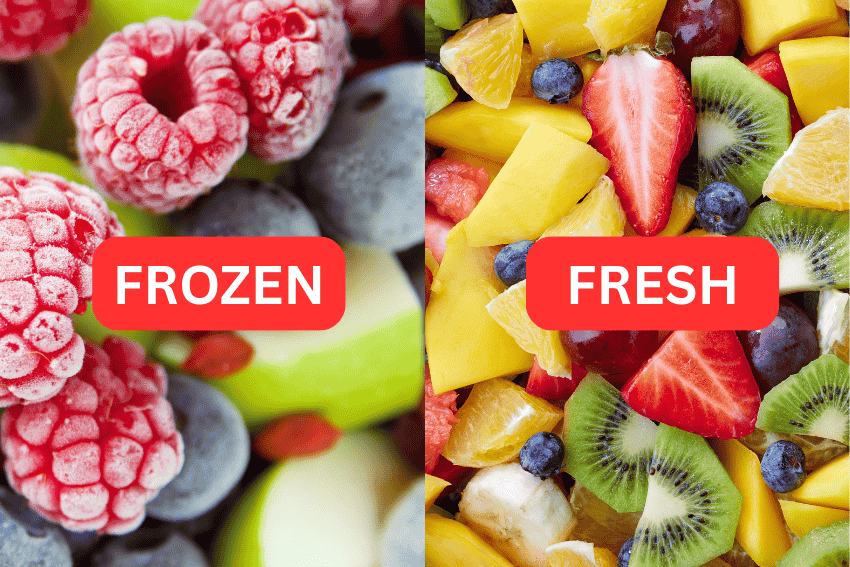
I have researched this subject quite extensively and it isn’t as black and white as you might think. Like everything in life, both have their advantages, but recent research tends to sway more on the side of frozen fruit being nutritious, and sometimes more so in some cases. Now let us get down to details to help you make the right choice on your plate.
We will find out about differences between frozen fruits and fresh fruits, science, and bust some myths and explore the practical benefit of both options so you can make an informed decision.
Understanding the Nutritional Basics
In comparison frozen vs fresh fruit, nutrition is core to the argument. Fruits in general are a storehouse of vitamins, minerals, fiber, and antioxidants which help in immunity as well as digestion. But does it kill the goodies in part of the freezing process?
Research indicates that frozen fruits are normally picked at their ripest stage, and then soon afterwards flash-frozen, thus preserving nutrients. This implies that they can be stored with high amounts of vitamins such as C and E, sometimes even surpassing fresh fruit that has taken a long time to transport and sit in supermarkets. An example is the study conducted by the University of California Davis which concluded that in some fruits, freezing increases the vitamin E content than fresh fruits.
On the other hand, fresh fruit is in its element when it is locally grown, and consumed not long after it was picked up, as its nutrients found in it are highest at pickup. Be careful, however, that when out of season or imported it may lose potency in transporting and storing. In sum, the three nutritionally have profiles that are so close that frozen inevitably ends with a win in those situations where fresh is a fleeting factor.
Benefits of Fresh Fruit
There’s something undeniably appealing about biting into a crisp, juicy apple straight from the farm. Here are some key perks:
- Superior Texture and Flavor: Fresh fruit often tastes brighter and has a better mouthfeel, making it ideal for snacking or salads. No one wants mushy strawberries, right?
- No Additives: You control what you get – no need to check labels for added sugars or preservatives that sometimes sneak into frozen packs.
- Seasonal Variety: Eating fresh encourages trying what’s in season, which can introduce new flavors and support local farmers.
- Immediate Nutrient Access: When consumed right away, fresh fruit delivers antioxidants and enzymes at their peak.
That said, these benefits depend on how quickly you eat it. Let it linger in your fridge too long, and you might as well have frozen.
Benefits of Frozen Fruit
Frozen fruit gets a bad rap sometimes, but it’s a powerhouse in its own way. Think about smoothies or baking – it’s a game-changer. Here’s why it stacks up well in the frozen vs fresh fruit matchup:
- Nutrient Retention: As mentioned, freezing at peak ripeness preserves vitamins better than fresh fruit that’s aged during shipping. Research from sources like the Frozen Food Foundation highlights that many frozen fruits match or exceed fresh in nutrient content.
- Convenience and Longevity: It lasts months in the freezer, reducing waste and making healthy eating easier on busy days.
- Cost-Effective: Often cheaper, especially for out-of-season items like berries, without sacrificing health benefits.
- Year-Round Availability: You can enjoy tropical fruits in winter without the premium price tag.
Plus, frozen options are pre-washed and chopped, saving you time in the kitchen.
Drawbacks to Consider
No food is perfect, and both sides of the frozen vs fresh fruit equation have downsides. For fresh:
- Short Shelf Life: It spoils quickly, leading to food waste if you don’t plan well.
- Higher Cost Out of Season: Importing fresh fruit can drive up prices and environmental impact.
- Potential Nutrient Loss: Exposure to light, air, and time degrades vitamins over days.
For frozen:
- Texture Changes: Thawing can make some fruits softer, which isn’t great for every recipe.
- Possible Additives: Always opt for plain frozen fruit to avoid extra sugars or syrups.
- Energy Use: Freezing requires electricity, though it’s minimal compared to food waste from fresh spoilage.
Weighing these helps you choose based on your needs.
The Quick Answer
Yes, frozen fruit is even as healthy as fresh fruit. In certain instances, it may be even superior.
The key is how it is harvested, frozen and stored. Any fruit destined to be frozen tends to be picked at its ripest point, and froze as promptly as possible (usually within hours). Most of its vitamins and antioxidants are locked in by this.
Conversely, Fresh fruit can take days to drive in trucks, pile up in warehouses and months lying in store shelves. With that period, some nutrients lose some life, vitamin C most of all.
Why Frozen Fruit Holds Up So Well
- Picked at peak ripeness: Fruit tastes best and has the most nutrients when it’s fully ripe. Since frozen fruit isn’t racing to meet a delivery schedule, farmers can wait until it’s at that perfect stage.
- Frozen fast: Most commercial fruit is frozen using “IQF” (Individually Quick Frozen) technology. Think of it like the fruit being flash paused in time. The freezing process happens so quickly that ice crystals don’t have time to shred the fruit’s cell structure too much.
- Protected from oxygen and light: Nutrients break down when they’re exposed to air, light, or heat. A sealed bag in a freezer slows that breakdown a lot.
But What About Vitamin Loss?
Here’s where things get real.
- Vitamin C is the most sensitive nutrient. Some of it will be lost during blanching (brief steaming before freezing) or over months in storage. But this loss is small—usually less than 20%.
- B vitamins are water-soluble, so they can leak out if the fruit is blanched. But fruits like berries aren’t blanched at all, so they hold up well.
- Antioxidants (like anthocyanins in blueberries) tend to stay stable in freezing.
If you buy fresh strawberries in January in the U.S., odds are they were picked unripe in another country and spent a week traveling. By the time you eat them, their vitamin C may actually be lower than frozen berries picked in peak season.
When Frozen Fruit Wins Over Fresh
- Out of season produce – A bag of frozen peaches in December often has more nutrition than “fresh” peaches shipped across the world.
- Smoothies and baking – Frozen fruit keeps texture and flavor when blended or cooked, while fresh can get mushy if it’s been stored too long.
- Cost and waste – Frozen fruit is usually cheaper per pound and lasts months. No more watching a $6 box of raspberries turn fuzzy in 48 hours.
When Fresh Fruit Wins Over Frozen
- Texture for snacking – Fresh grapes, crisp apples, and ripe peaches have that snap or juiciness you just can’t get once they’ve been frozen.
- Short-storage fruit – Things like bananas or berries eaten right after picking can taste more vibrant and keep every bit of vitamin content.
- Local seasonal eating – Farmers’ market fruit that was picked that morning will always have a freshness frozen can’t mimic.
What to Watch Out for with Frozen Fruit
Not every bag in the freezer aisle is a nutrition hero.
- Added sugar – Some frozen fruits are coated in syrup. Read the label. “Ingredients: strawberries” is what you want.
- Sauces or flavoring – Skip the “dessert blend” mixes that add sugar or cream.
- Freezer burn – If the bag has been open for a while, ice crystals can form and affect taste and texture.
The Science Behind Frozen vs. Fresh
Researchers have conducted head-to-head studies of vitamin content on frozen and fresh fruit. The results? Nearly identical.
In one study, researchers at the University of California compared strawberries, blueberries, and corn over a period of several months. The nutrient composition in frozen foods remained almost equal to fresh samples, and in others such as frozen peas and blueberries were higher.
Why? Since the “fresh” produce was shipped and stored over days compared to frozen which is locked up right after harvesting.
Which is Better for the Planet?
There’s no simple answer here. Frozen fruit needs energy to freeze and store, but fresh fruit often racks up more “food miles” through shipping, especially when out of season.
If you buy local fruit in season, fresh fruits probably win. If it’s winter and you want berries, frozen is often the lower-impact choice compared to flying fresh berries in from another continent.
How to Choose Between Fresh and Frozen Fruit
The choice simply depends on the kind of life, your interests and visions:
- Choose Fresh Fruit If: You are concerned with texture, taste and the flavor of eating a fruit in its most ideal condition. It is usually best to get local, in-season fruit so that you get optimal freshness and environmentally friendly result.
- Choose Frozen Fruit If: You like convenience, low prices, and all year you want something good at the nutritional level. When we are short of time, or throwing an easy smoothie or dessert together, frozen fruit is ideal.
Combining the two in your diet may be the solution to attaining the best of both worlds. As an example, eat fresh fruit in salads or as snacks and frozen fruit in smoothies or in a baking recipe.
Choosing Between Fresh and Frozen
If you’re trying to decide, here’s a simple cheat sheet:
| Situation | Fresh | Frozen |
|---|---|---|
| Eating raw and whole | ✅ | ❌ |
| Out of season | ❌ | ✅ |
| Budget-friendly | ❌ | ✅ |
| Highest vitamin C (in-season, just picked) | ✅ | ❌ |
| Smoothies, baking, cooking | ❌ | ✅ |
How to Store and Use Frozen Fruit Right
- Keep your freezer at 0°F (-18°C) or lower.
- Seal the bag tightly after opening (or transfer to an airtight container).
- Use within 8–12 months for best quality.
- Thaw in the fridge overnight or use straight from frozen in smoothies.
Myth-Busting Frozen Fruit
Myth 1: Frozen fruit isn’t as nutritious.
Truth: Nutrients are trapped in freezing. The amounts of losses are minimal and often less compared to losses which occur to fresh fruit during transportation.
Myth 2: Frozen fruit has preservatives.
Truth: Most frozen fruit has nothing but the fruit itself. The cold is a preservative.
Myth 3: Frozen fruit tastes bland.
Truth: It depends on the fruit and the way you may dine on it. Instead, when mango chunks are frozen, they may taste like candy when they are defrosted. Frozen strawberries would be softer, but in a smoothie, you would not know the difference.
Conclusion
Frozen fruit is nutritious, convenient and economical as an alternative to fresh fruit and has similar health benefits, with the benefits of longer shelf life and the ability to be consumed all year long.
Although fresh fruit might be the winner in taste due to the texture and the freshness it possesses at that very moment when you take it out, frozen fruit can be considered as a flexible product in a busy lifestyle.
Since beans and peas are quite complementary additions to your diet, both in terms of fresh flavors and the nuts you need all year round, it is an excellent deal that allows you to experience the joy of living (or eating) the best of both worlds.
FAQs About Frozen Fruit vs. Fresh Fruit
Is frozen fruit less nutritious than fresh fruit?
No, frozen fruit can be just as healthy as fruit because it is normally frozen at its peak ripeness level, so most vitamins and minerals are retained. Nevertheless, some nutrients may be lost through freezing or storage, in particular vitamin C.
Can frozen fruit be used in the same way as fresh fruit?
Yes, that is fine with smoothies, baking and cooking. But its tender resultant aspect after being thawed down may not serve fresh salads or snacking.
Does frozen fruit contain added sugars?
Added sugars or syrups could be added to some frozen fruit products. The ingredient list should always be checked and 100% fruit that does not include any additives should be bought.
Is frozen fruit better for the environment?
It depends. Frozen fruit takes energy to freeze, whereas fresh fruit can involve long journeys in which carbon footprint can be highest. The freshest is both local, in-season fresh fruit or frozen fruit, sustainably farmed.
How long does frozen fruit last?
Frozen fruit can last up to 12 months in a properly sealed container or bag, though it’s best to use it within 6–8 months for optimal flavor and nutrition.